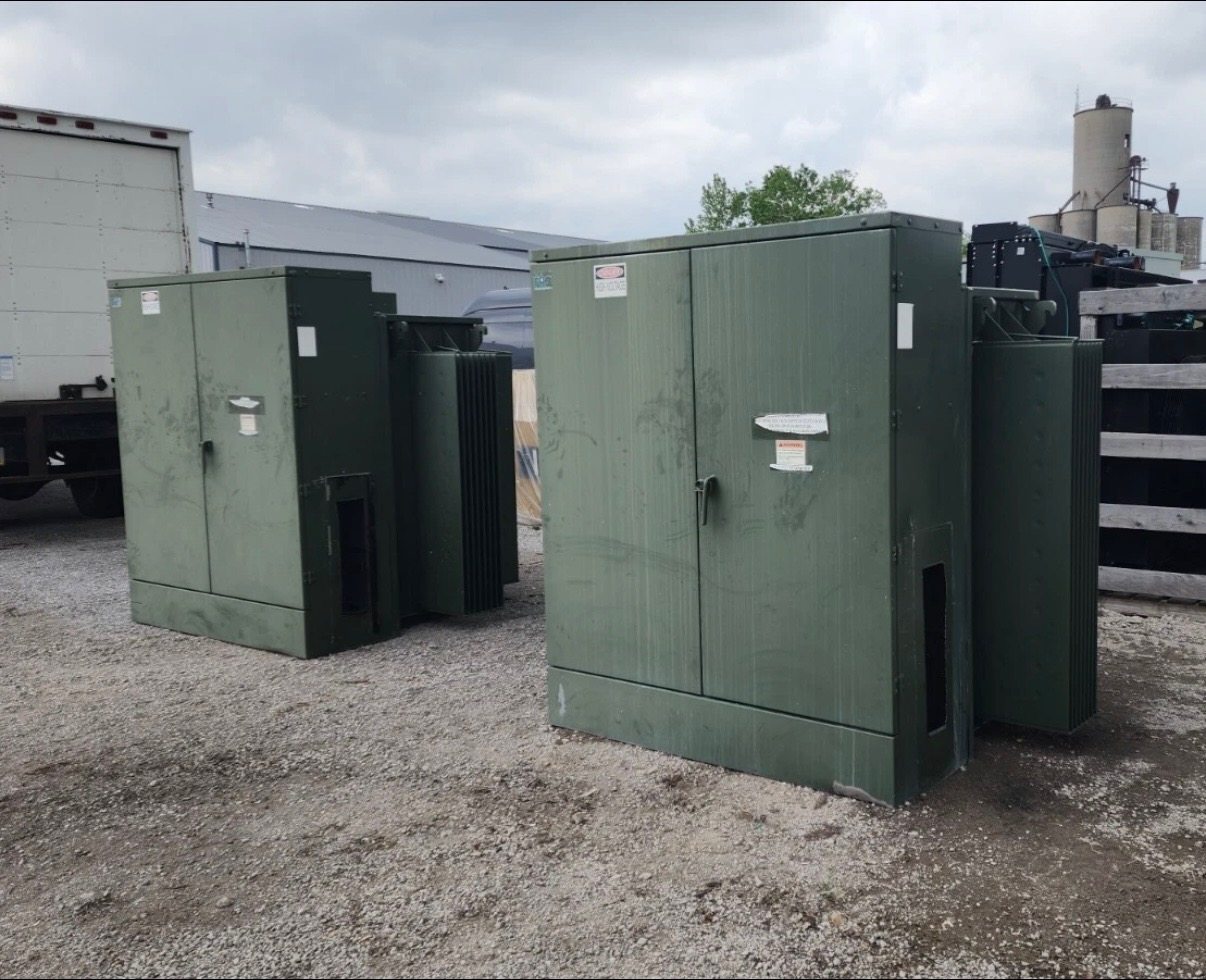
Selling equipment during bitcoin mining decommissioning
Submit transformers and other surplus mining-site power equipment for purchase review when downsizing or closing a mining operation; separate electrical assets from servers and cooling hardware in the inventory.
Planning a sale in Lehi
For bitcoin mining decommissioning in Lehi, identify the equipment owner and the units available for sale, then share the nameplate information and the anticipated collection window. We review the equipment as a buyer; the seller and qualified site personnel remain responsible for site access and safe preparation.
Site context: In northern Utah Valley, a Lehi seller may be clearing electrical equipment from an office or technology-oriented property.
Pickup consideration: Coordinate with the property team so the pickup does not block the loading dock used by other occupants.
Helpful details to share: Share a photo of the nameplate showing kVA, voltage, and phase.
Separate electrical assets from the rest of the mining equipment
For a Bitcoin mining decommissioning, start with an equipment schedule that distinguishes transformers and other power equipment from switchgear, containers, miners, and cooling systems. Record each item's owner, quantity, make, model or asset ID, ratings, and known condition. This helps the buyer assess the electrical assets without mixing them into a server or cooling-hardware lot. Note missing components, corrosion, visible oil leaks, operating hours, and maintenance history when known; distinguish observed facts from information that is unavailable.
Make transformer details easy to review
Share a clear photograph of each accessible transformer nameplate, including kVA, voltage, and phase, and transcribe those ratings into the schedule where legible. Add serial numbers or asset IDs so the records can be reconciled with the equipment offered. Include any available fluid-analysis or PCB records and identify whether records are missing; a quote can consider existing records without requiring the seller to test the equipment. Do not open compartments or approach equipment to obtain information if access is unsafe. Qualified personnel must handle electrical isolation and any hazardous-material work.
Agree on responsibilities before removal
A purchase review is distinct from disconnection, demolition, or site work. Before scheduling removal, agree in writing on the equipment being purchased, pricing, any inspection conditions, who is responsible for disconnection and rigging, how cooling fluids will be handled, and the loading schedule. The owner should coordinate utility isolation and use qualified electrical personnel for lockout, control of stored energy, and verification of de-energization before disconnection or removal. Qualified personnel also handle hazardous materials and rigging; do not ask unqualified staff to work on energized equipment.
Stage and schedule pickup around shared access
Plan staging and freight with the property team so the pickup does not block a loading dock used by other occupants. Confirm the relevant container doors, gate width, trailer access, and ground bearing with the people coordinating the site and transport. Keep purchased items identifiable, and reconcile serial numbers or asset IDs against the agreed list at collection; document the transfer then. Payment is upfront, no testing is required, and freight is covered. These terms do not replace advance agreement on the specific equipment, removal responsibilities, and loading arrangements.
Questions about bitcoin mining decommissioning in Lehi
What information should I send about a transformer?
Send its accessible nameplate photo showing kVA, voltage, and phase, along with make, serial number or asset ID, quantity, and known condition. Share available operating or maintenance history and existing fluid or PCB records. If a rating is unreadable or a record is missing, state that plainly; do not open equipment or test it to fill a gap.
Who handles isolation and removal, and how should pickup be coordinated?
The owner coordinates utility isolation and qualified electrical personnel for lockout, stored-energy control, and verification of de-energization before disconnection or removal. Qualified personnel handle hazardous materials and rigging. Agree in writing who provides disconnection and rigging, then coordinate the loading schedule with the property team to avoid blocking the shared loading dock.
A practical equipment-sale sequence
Step 1
Create an equipment schedule that separates transformers, switchgear, containers, miners, and cooling systems; identify each item's owner, quantity, make, ratings, and known condition.
Step 2
Photograph accessible nameplates and record operating hours or maintenance history if available; disclose missing parts, corrosion, oil leaks, and existing fluid-analysis records without opening energized equipment.
Step 3
Have the owner coordinate utility isolation and qualified electrical personnel for lockout, control of stored energy, and verification of de-energization before disconnection or removal.
Step 4
Discuss which items the buyer is interested in and agree in writing on pricing, any inspection conditions, who provides disconnection and rigging, handling of cooling fluids, and the loading schedule.
Step 5
Plan the pickup around container doors, gate width, trailer access, and ground bearing; reconcile the purchased serial numbers or asset IDs and document the transfer at collection.
Before a pickup is arranged
- Identify each unit and share clear nameplate and overall photographs taken safely.
- Describe the location, available access, equipment condition, and any known lifting or scheduling constraints.
- Provide existing fluid, PCB or other relevant records when available; do not collect samples yourself.
- Discuss the offer, upfront payment and freight arrangements before the sale proceeds.
Site safety
Do not drain oil, open enclosures, or approach energized equipment. Tell us about known leaks and available fluid or PCB records; qualified personnel should handle isolation, hazardous materials, and rigging.
Questions sellers ask
Can we sell just the transformer and keep the miners?
Yes, the offered scope can identify only the transformer, subject to buyer review and agreement. Keep retained equipment and cabling clearly outside the sale and removal scope.
What if the transformer has oil or a possible leak?
Disclose the condition and share existing oil-type or PCB records. Qualified parties should assess sampling, containment, transport, and disposal requirements as applicable; acceptance is not guaranteed.
Does the buyer shut off utility power?
Do not assume that. The site owner should coordinate utility and electrical shutdown with the appropriate authorized parties, and the written agreement should specify each party's responsibilities.