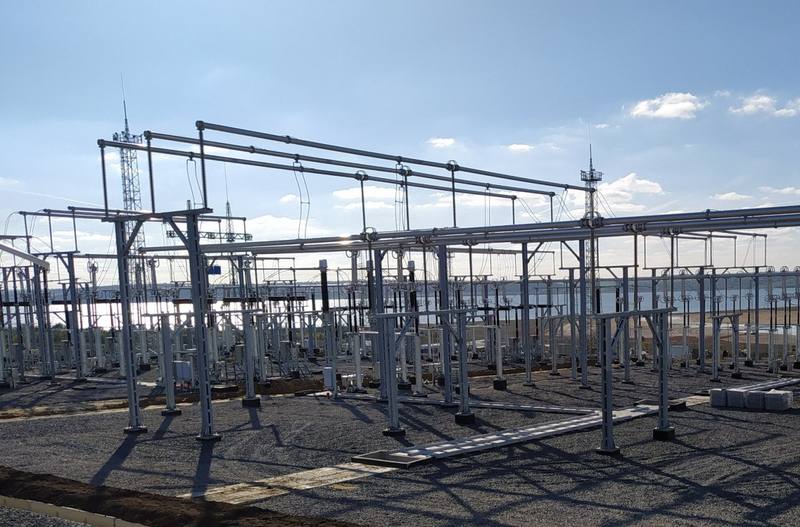
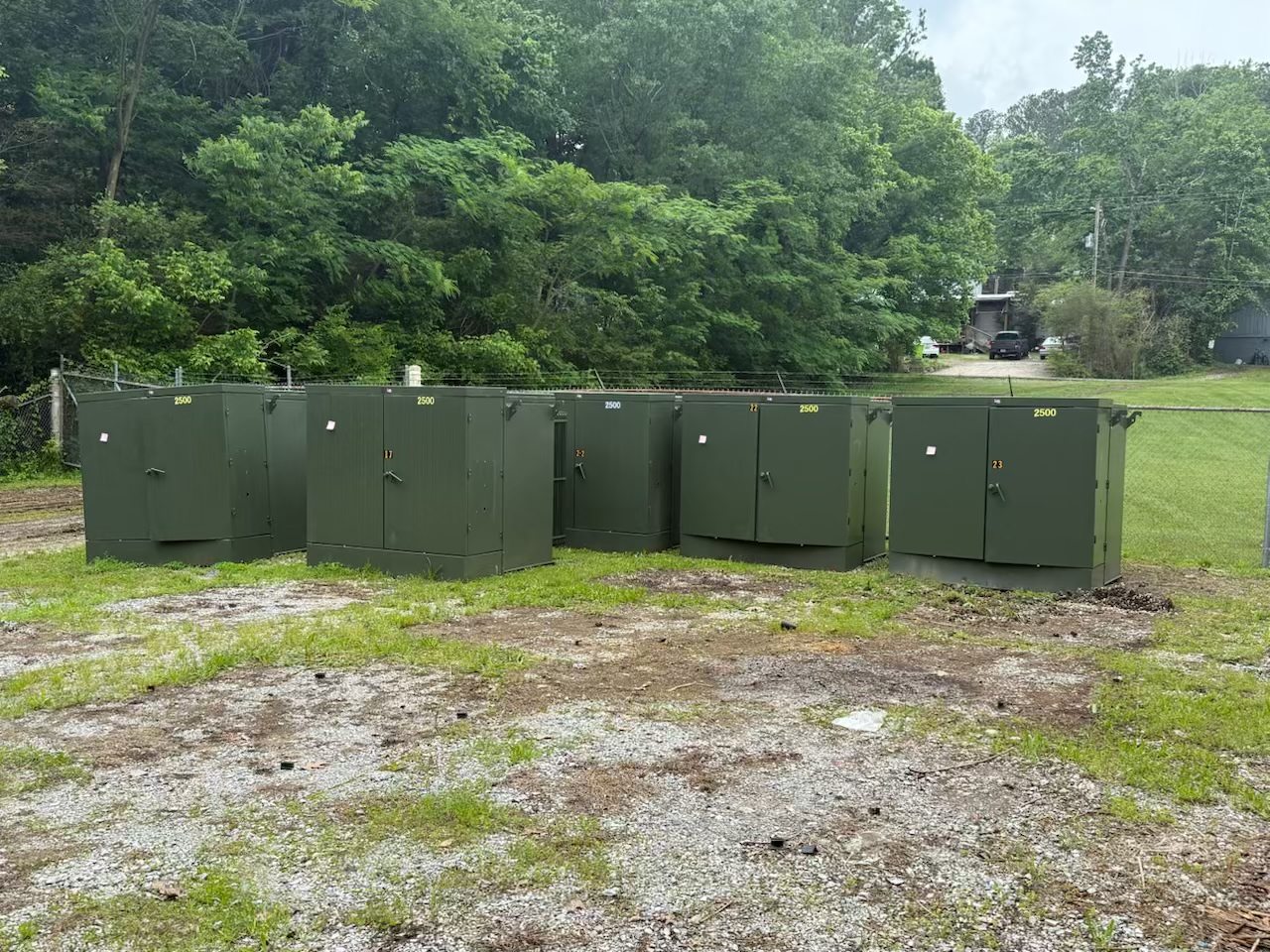
Selling equipment during data center decommissioning
Offer surplus data-center transformers and related electrical equipment to a buyer for review as part of a staged site retirement; the purchase scope and collection terms depend on the equipment and site.
Planning a sale in Ogden
For data center decommissioning in Ogden, identify the equipment owner and the units available for sale, then share the nameplate information and the anticipated collection window. We review the equipment as a buyer; the seller and qualified site personnel remain responsible for site access and safe preparation.
Site context: For an Ogden-area industrial property, an older transformer may sit in a machine room rather than at truck level.
Pickup consideration: Identify any stairs, floor-level changes, or dock plates between the unit and the proposed truck position.
Helpful details to share: Share a safe, unobstructed photo of the transformer base and any visible lifting provisions.
Separate sale assets from equipment that stays
For a staged data-center retirement, prepare a distinct list of transformers and related electrical equipment being offered to the buyer, separate from items that must remain onsite or are assigned to another scope. For each transformer, record the make, model, kVA rating, voltage, quantity, visible condition, and ownership status when known. This helps the buyer assess the proposed purchase without treating every item in the retirement as available. The purchase scope and collection terms depend on the equipment and site; review the written offer and scope before any asset is released.
Build a useful transformer record
Share exterior nameplate photos and any available service or test records, along with fluid identification where applicable. A quote can consider existing fluid or PCB records without requiring the seller to test the equipment. Do not open enclosures, collect samples, drain fluid, or dismantle a unit to obtain details. If a record is missing or unclear, identify that plainly rather than guessing. A site plan showing each unit and its access route can connect the inventory to the actual collection path and help resolve questions before scheduling.
Coordinate safe release and a clear scope
Shutdown and isolation must be arranged through the site owner and appropriately qualified personnel. The plan should account for utility feeds, backup generators, UPS systems, and stored energy, with de-energization verified before work. Qualified personnel handle isolation, hazardous materials, and rigging; the seller should not undertake live electrical work or prepare equipment by disassembly. Review the written scope for which assets may be purchased, who disconnects and rigs them, loading responsibilities, insurance, collection timing, and any excluded disposal work. Do not assume that purchase of an asset includes demolition or disposal of other site equipment.
Plan the route, staging, and freight handoff
Before collection, identify the route from each unit to the proposed truck position, including stairs, floor-level changes, and dock plates. An older transformer at an Ogden-area industrial property may be in a machine room rather than at truck level, so share a site plan and note access constraints rather than assuming direct loading access. Provide a safe, unobstructed photo of the transformer base and any visible lifting provisions; do not enter restricted areas or move obstructions unsafely to take it. After safe release, coordinate dock, freight-elevator, or crane access and any security escort. Reconcile serial numbers and obtain a signed transfer or loading record at handoff. Freight is covered.
Questions about data center decommissioning in Ogden
What information should I provide if I do not have complete transformer records?
Send the details you can verify, such as make, model, kVA, voltage, quantity, ownership status, exterior nameplate photos, and visible condition. Include available service records and fluid identification where applicable, and mark missing information as unknown. A quote can consider existing fluid or PCB records without requiring you to test the transformer.
What should I confirm before a transformer is collected from a machine room?
Identify the route to the truck position, including stairs, floor-level changes, and dock plates, and share a safe, unobstructed photo of the base and visible lifting provisions. Confirm the written scope for disconnection, rigging, and loading. Qualified personnel must manage isolation, verify de-energization, handle hazardous materials, and perform rigging; coordinate access after safe release.
A practical equipment-sale sequence
Step 1
List the transformers and other assets offered for sale separately from equipment that must remain onsite; note make, model, kVA, voltage, quantity, condition, and ownership status.
Step 2
Provide exterior nameplate photos, available service or test records, fluid identification where applicable, and a site plan showing each unit and its access route.
Step 3
Arrange the shutdown and isolation through the site owner and appropriately qualified personnel; account for utility feeds, backup generators, UPS systems, and stored energy, and verify de-energization before work.
Step 4
Review the offer and written scope, including which assets the buyer may purchase, who disconnects and rigs them, loading responsibilities, insurance, collection timing, and any excluded disposal work.
Step 5
After safe release, coordinate the dock, freight elevator or crane access, and security escort; reconcile serial numbers and obtain a signed transfer or loading record at handoff.
Before a pickup is arranged
- Identify each unit and share clear nameplate and overall photographs taken safely.
- Describe the location, available access, equipment condition, and any known lifting or scheduling constraints.
- Provide existing fluid, PCB or other relevant records when available; do not collect samples yourself.
- Discuss the offer, upfront payment and freight arrangements before the sale proceeds.
Site safety
Do not drain oil, open enclosures, or approach energized equipment. Tell us about known leaks and available fluid or PCB records; qualified personnel should handle isolation, hazardous materials, and rigging.
Questions sellers ask
Can we offer transformers while part of the data center stays online?
Potentially. Identify which units are actually surplus and have qualified site personnel define and verify the isolation boundary; a buyer review or offer does not authorize work on live equipment.
Will a buyer purchase UPS systems and switchgear as well?
List each asset separately with make, model, condition, and photos. Acceptance and pricing depend on the items and the written agreement; do not assume every component is included.
Who handles server data and media?
The site owner should arrange its own data sanitization and chain of custody. Do not include drives or other data-bearing assets unless their handling is explicitly agreed.