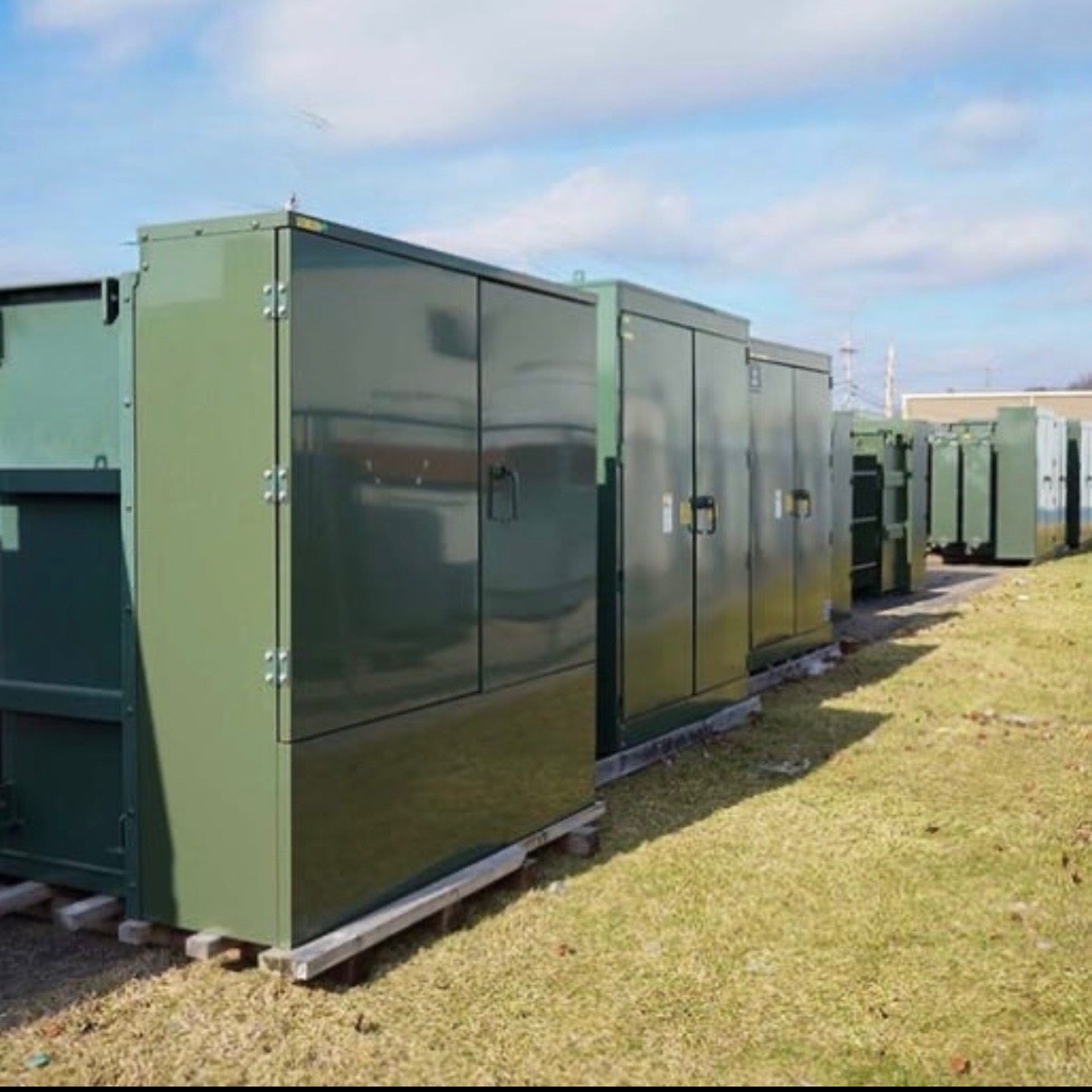
What equipment sellers should know
Understand how winding material, core construction, and condition fit into a surplus-equipment assessment.
Transformer windings may use copper or aluminum, while the magnetic core is commonly made from laminated electrical steel.
The winding metal cannot always be identified reliably from an exterior view, so share manufacturer documentation when available.
Complete equipment may be evaluated differently from disassembled material, and condition, weight, access, and handling requirements all matter.
Oil, PCB contamination, insulation, and other suspect materials can change whether and how equipment or components may be handled.
Do not cut open equipment, strip windings, drain oil, or disturb insulation to estimate metal content; qualified professionals should assess hazards.
What to share with the buyer
- Manufacturer and model
- Winding material documentation
- Complete unit or parts inventory
- Fluid and PCB records
- Weight and location
A practical path to an offer
Send the equipment identification, your location and photos that can be taken safely. We review the information and discuss a cash offer. If a sale proceeds, we coordinate freight and payment details with the seller; no equipment testing is required.
Safety and site information
Do not drain oil, open enclosures, or approach energized equipment. Tell us about known leaks and available fluid or PCB records; qualified personnel should handle isolation, hazardous materials, and rigging.
Frequently asked questions
Can I assume the windings are copper?
No. Windings can be copper or aluminum; provide existing documentation rather than opening or cutting the unit.
Is value based only on metal weight?
No. Equipment condition, configuration, material status, removal costs, and other factors can affect the quote.
Should I remove the core or windings first?
No. Leave the unit intact and have qualified professionals assess any electrical and material hazards.