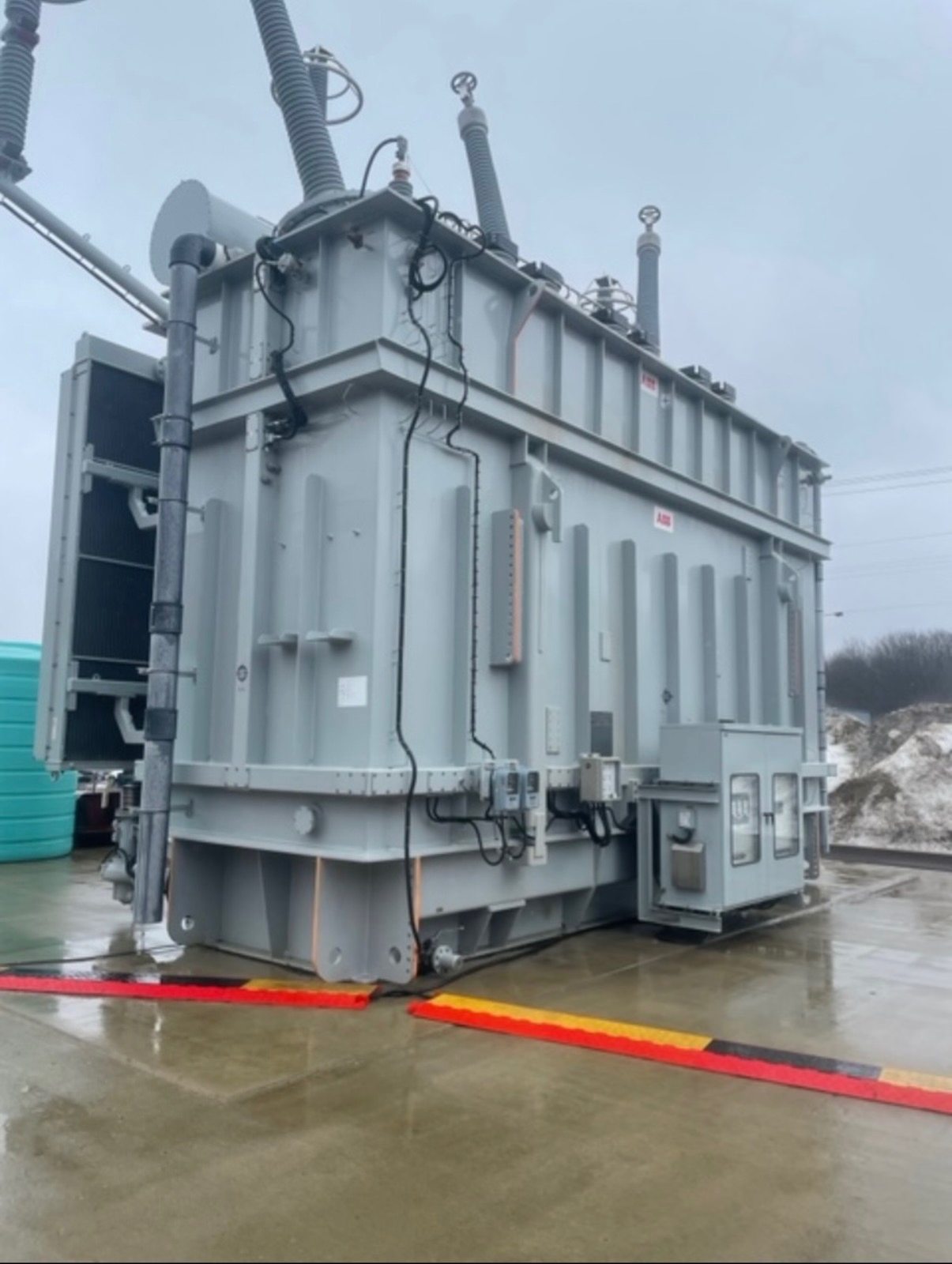
What equipment sellers should know
Describe a failed transformer accurately without energizing it or disturbing damage.
A failed unit may have a known fault history, visible damage, or an unknown internal condition, all of which should be described accurately.
Existing diagnostic reports, event dates, protection records, and photographs can help explain what is known without conducting a new test.
Fire damage, fluid leaks, suspect debris, or water exposure can create additional hazards and may affect acceptance and the quote.
Do not energize, open, drain, or disturb the damaged unit; qualified personnel should assess electrical and material hazards.
The equipment's nameplate, included components, location, and access route remain important even when its operating condition is unknown.
What to share with the buyer
- Nameplate and exterior photos
- Known fault or incident history
- Existing diagnostic reports
- Leak, fire, or water damage
- Access and isolation status
A practical path to an offer
Send the equipment identification, your location and photos that can be taken safely. We review the information and discuss a cash offer. If a sale proceeds, we coordinate freight and payment details with the seller; no equipment testing is required.
Safety and site information
Do not drain oil, open enclosures, or approach energized equipment. Tell us about known leaks and available fluid or PCB records; qualified personnel should handle isolation, hazardous materials, and rigging.
Frequently asked questions
Can I offer a transformer that failed in service?
You can request an evaluation; describe the failure, condition, and available records, as acceptance depends on the circumstances.
Should I energize it briefly to confirm the fault?
No. Do not energize the unit; use existing reports and have qualified personnel assess it.
What if there is soot or leaked oil?
Report the condition and leave the material undisturbed for qualified safety and environmental personnel to assess.