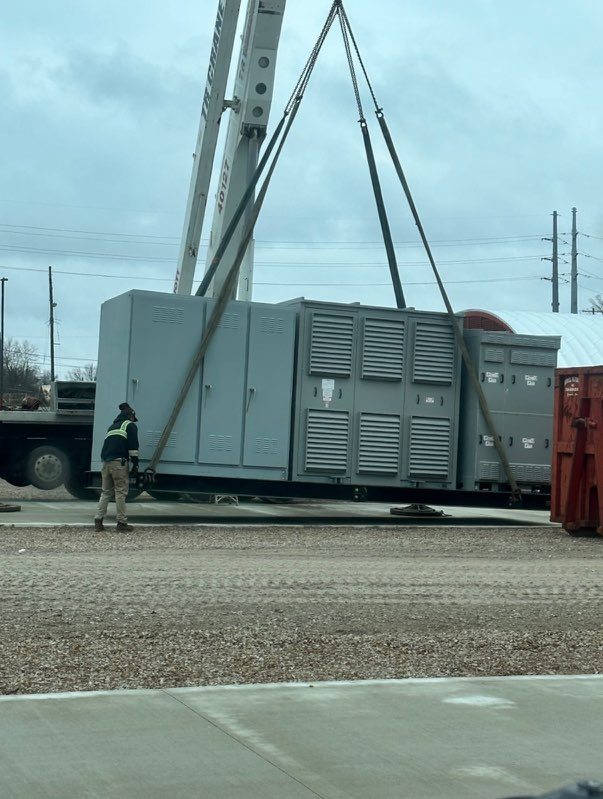
What equipment sellers should know
Plan a phased sale and removal when electrical equipment becomes surplus at different times.
List the equipment assigned to each phase, its expected availability, and the owner authorized to release it.
Identify remaining live equipment, shared buswork, alternate feeds, and operational dependencies for qualified personnel to review.
Separate the work scope for isolation, disconnection, rigging, loading, and freight so responsibilities can be evaluated in the quote.
Changes in access, equipment condition, fluid or PCB status, or phase timing can affect the handling plan and quoted terms.
Provide one-line drawings and shutdown windows where authorized, but do not operate equipment or disturb suspect material to prepare the inventory.
What to share with the buyer
- Phase-by-phase asset list
- Target availability windows
- Shared feeds and live areas
- Isolation and rigging scope
- Access and material records
A practical path to an offer
Send the equipment identification, your location and photos that can be taken safely. We review the information and discuss a cash offer. If a sale proceeds, we coordinate freight and payment details with the seller; no equipment testing is required.
Safety and site information
Do not drain oil, open enclosures, or approach energized equipment. Tell us about known leaks and available fluid or PCB records; qualified personnel should handle isolation, hazardous materials, and rigging.
Frequently asked questions
Can different units be removed in separate phases?
A phased plan can be discussed; list each unit and its expected availability so the scope can be evaluated.
What if the schedule or access changes?
Update the equipment and site details promptly because changed conditions may affect the proposed handling and quote.
Who plans isolation between phases?
The site's qualified electrical personnel should plan and verify isolation for each phase under applicable procedures.