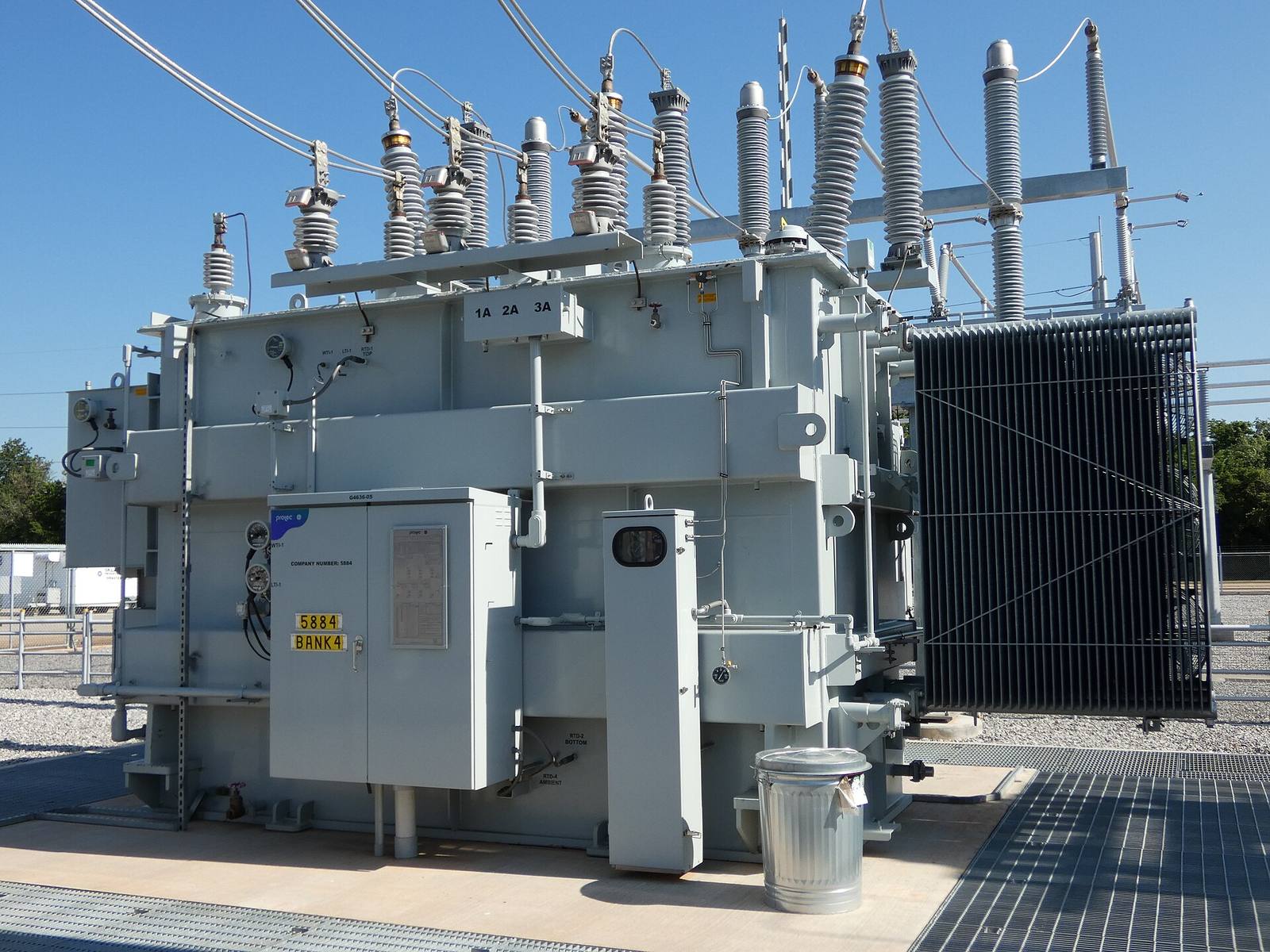
Selling Substation and Power Transformers in Cedar Hills
Sell surplus substation and power transformers with their ratings, condition, and removal constraints clearly documented.
For a sale in Cedar Hills, tell us where the equipment is and describe the pickup conditions. A nameplate photograph and existing records help us review the unit without asking you to test it.
Describe the transformer’s electrical capacity
For a substation or power transformer, start with clear photos of the nameplate and serial number, then record the MVA or kVA rating, primary and secondary voltages, phase count, and frequency. These details help distinguish units that may look alike but serve different electrical duties. Include the cooling designation and any additional fan-cooled rating; a higher rating that depends on forced cooling should not be confused with the base rating. If a nameplate is damaged or unreadable, say so rather than estimating its contents.
Account for completeness and condition
Note whether load tap changers, bushings, radiators, fans, and control cabinets are present, and describe visible damage or missing components. Existing oil and PCB records, along with any known leak history, help establish what is known about the unit without asking you to test it or collect samples. If records are incomplete, identify that plainly; unknown material status can affect handling and the quote. Do not drain oil, disturb suspect materials, open locked compartments, or attempt electrical checks. Qualified personnel handle isolation, de-energization, hazardous materials, and rigging.
Plan collection from the equipment pad
In Cedar Hills, a collection may involve a property near the Northern Utah Valley foothills, so describe the route from the transformer to truck-accessible pavement rather than assuming the truck can reach the pad. Send a photo of the space between the equipment pad and the nearest pavement, and confirm whether a curb, landscaped strip, or retaining wall separates them. Include the unit’s total weight if known, the available crane approach, overhead or turning constraints, and any access restrictions. These details help the buyer assess removal needs before arranging freight, which is covered.
Send a focused equipment record
A concise submission can combine nameplate and serial number photos, ratings, cooling information, component condition, available oil and PCB documentation, known leak history, and total weight. Add notes about the route and crane access, plus any site restrictions that could affect removal. Keep uncertain details labeled as unknown rather than filling gaps with assumptions. The buyer offers payment upfront and does not require testing. Qualified professionals must isolate and verify the equipment before work; do not energize it or attempt to prepare it for removal yourself.
Cedar Hills site and pickup context
Site context: In Cedar Hills, an equipment seller may need to arrange collection from a property near the valley's foothill edge.
Pickup consideration: Confirm whether a curb, landscaped strip, or retaining wall separates the unit from the truck-accessible pavement.
Helpful details to share: Send a photo of the space between the equipment pad and the nearest pavement.
Seller checklist
- Nameplate and serial number photos
- MVA, voltage, and cooling ratings
- Oil and PCB records if available
- Bushing and radiator condition
- Weight and crane access
Work safely
Do not drain oil, open enclosures, or approach energized equipment. Tell us about known leaks and available fluid or PCB records; qualified personnel should handle isolation, hazardous materials, and rigging.
Questions about selling in Cedar Hills
What if I do not have oil or PCB records?
Send the records you do have and state clearly what is missing or unknown. Do not test the oil, collect a sample, or drain the transformer. Existing documentation can help the buyer consider material status when preparing a quote, while qualified personnel handle hazardous-material precautions and removal.
Why send a photo between the pad and the pavement?
The photo helps show whether a curb, landscaped strip, retaining wall, or other separation lies between the transformer and truck-accessible pavement. Pair it with the known weight and crane-access details so removal constraints can be considered. Do not move equipment or clear obstacles as a seller preparation step.
Related local resources
Local site and seller information
Substation and Power TransformersEquipment identification and seller checklist
Pad-Mounted TransformersSelling in Cedar Hills
Pole-Mounted Distribution TransformersSelling in Cedar Hills
Dry-Type TransformersSelling in Cedar Hills
Oil-Filled TransformersSelling in Cedar Hills