Selling Dry-Type Transformers in Highland
Offer surplus dry-type transformers with enclosure, winding, and rating information.
For a sale in Highland, tell us where the equipment is and describe the pickup conditions. A nameplate photograph and existing records help us review the unit without asking you to test it.
Identify the dry-type transformer from its nameplate
For a surplus dry-type transformer, start with the nameplate: record the kVA rating, primary and secondary voltages, phase count, and impedance, or photograph the plate so its information can be read. These details distinguish units that may look similar from the outside. Dry-type designs use air or another dry insulating medium rather than a liquid-filled main tank. Do not open the enclosure or disturb insulation to find winding details; share what is visible and any existing records instead.
Show the enclosure and what is screened around it
In Highland, a facility transformer may sit behind walls, landscaping, planters, or other screening. Photograph the full enclosure and its surroundings from an accessible location, including visible ventilation openings, fans, and temperature controls. Also note visible corrosion, dents, or other exterior damage. Before a lift is scheduled, determine whether screens, planters, or other obstructions can be moved with the property owner's permission. Do not enter restricted areas or move heavy objects yourself to improve access.
Describe completeness and installation history
Enclosure style, unobstructed ventilation openings, fans, and temperature-control components help describe the transformer's configuration and apparent completeness. If any of these parts are missing or visibly damaged, report that rather than trying to confirm operation. Existing maintenance records can add useful context about the unit's history; there is no need to create new test results. A quote can consider available equipment information and records, while qualified personnel handle isolation, de-energization, and any work needed to prepare the transformer for disconnection or movement.
Plan the collection information in advance
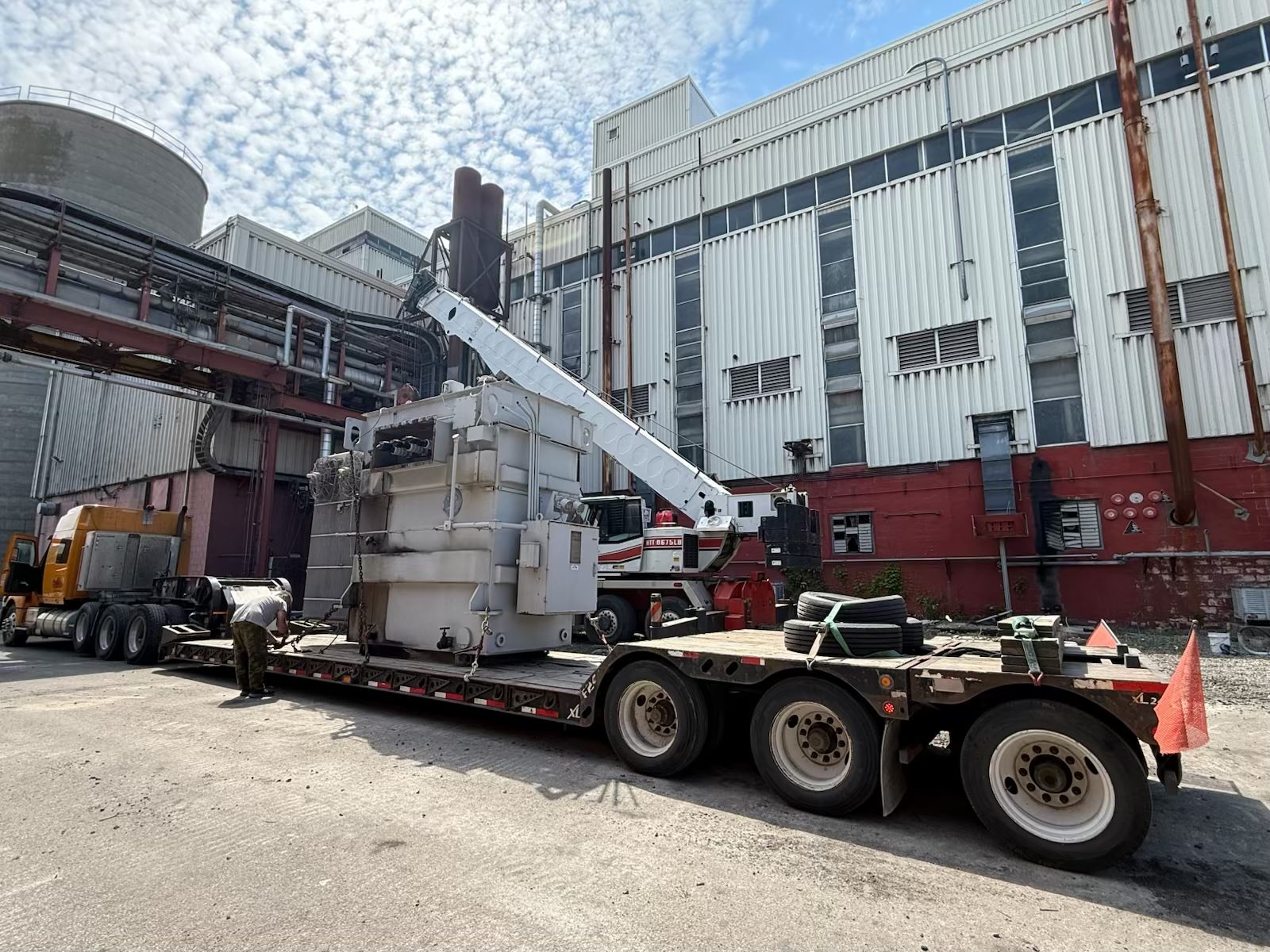
Along with readable nameplate and enclosure photos, provide the unit's approximate dimensions and explain the loading access as you understand it, including any screening or tight approach that could affect removal. This helps the buyer assess the equipment and discuss a practical collection plan without assuming that a lift can reach it. Do not disconnect or rig the transformer yourself: a qualified professional should isolate and verify it before disconnection or movement, and qualified personnel handle rigging.
Highland site and pickup context
Site context: Highland is in northern Utah Valley, where a facility transformer may be screened by walls or landscaping.
Pickup consideration: Determine whether screens, planters, or other obstructions can be moved with the property owner's permission before a lift is scheduled.
Helpful details to share: Photograph the full transformer enclosure and the screening around it from an accessible location.
Seller checklist
- Nameplate and enclosure photos
- kVA, voltages, and phase
- Fan or temperature-control details
- Visible corrosion or damage
- Dimensions and loading access
Work safely
Do not drain oil, open enclosures, or approach energized equipment. Tell us about known leaks and available fluid or PCB records; qualified personnel should handle isolation, hazardous materials, and rigging.
Questions about selling in Highland
Should I remove a guard to photograph the windings or inspect the transformer?
No. Photograph the exterior and nameplate from an accessible location, and share existing maintenance records if available. Do not remove guards, open the enclosure, or disturb insulation to inspect windings. Qualified personnel handle isolation and de-energization before any work that requires access to the transformer.
What should I do if landscaping or a screen blocks the transformer?
Send a photo showing the full enclosure and surrounding obstruction from a safe, accessible position. Determine whether the screen, planters, or other objects can be moved with the property owner's permission before a lift is scheduled. Do not move heavy objects yourself; explain any access limits when describing the collection location.
Related local resources
Local site and seller information
Dry-Type TransformersEquipment identification and seller checklist
Substation and Power TransformersSelling in Highland
Pad-Mounted TransformersSelling in Highland
Pole-Mounted Distribution TransformersSelling in Highland
Oil-Filled TransformersSelling in Highland