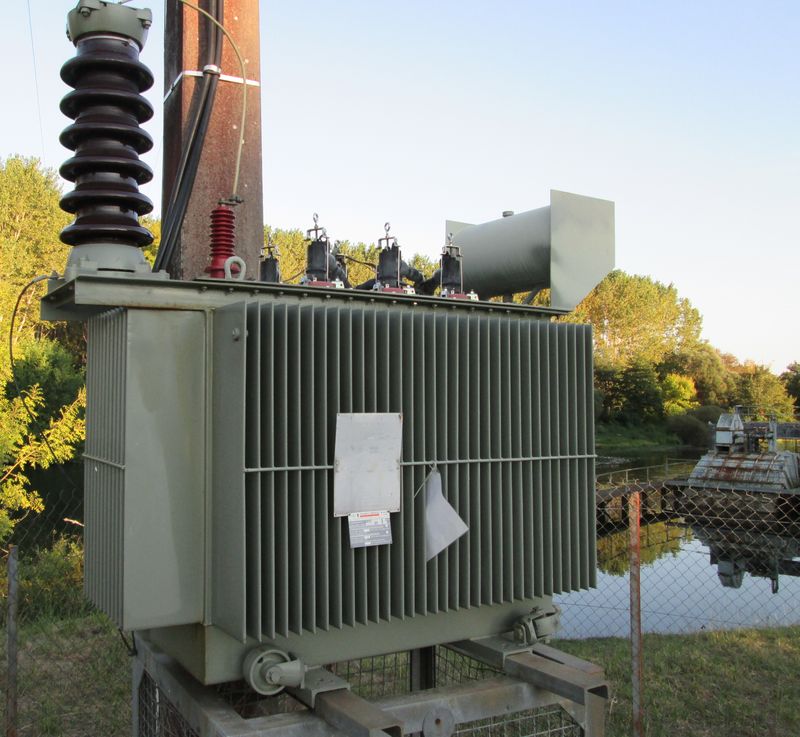
Selling Oil-Filled Transformers in Salt Lake City
Offer surplus oil-filled transformers with fluid records and the tank's known condition.
For a sale in Salt Lake City, tell us where the equipment is and describe the pickup conditions. A nameplate photograph and existing records help us review the unit without asking you to test it.
Identify the transformer from its nameplate and records
Send a clear exterior photo of the nameplate showing the manufacturer and kVA rating, along with the tank’s known condition. The label may identify the original insulating fluid and its quantity, but it does not establish the fluid’s present composition. If available, include existing PCB laboratory reports, fluid maintenance records, and the dates of any samples. These records help assess handling requirements without asking you to test the oil. Do not drain, sample, or transfer fluid yourself; qualified personnel handle isolation, de-energization, hazardous materials, and rigging.
Describe condition and access before collection
Include photos of the tank and any visible leaks or damage, particularly damaged bushings or missing valves. Also share the transformer’s location, loaded weight if known, and whether it is inside a building or in a service yard. In the Salt Lake Valley’s urban core, a unit may be in a multitenant commercial building or behind a shared service yard, so access arrangements can affect the proposed handling and quote. Confirm the loading-zone reservation, receiving-dock height, and any building-manager access window before scheduling collection.
How fluid history affects the offer
Existing fluid records help distinguish what is documented from what remains uncertain. PCB status and site conditions can affect safety, regulatory requirements, handling plans, and whether a particular transformer can be accepted; PCB-containing equipment is not automatically accepted. Share the records you already have rather than trying to establish fluid composition yourself. A quote can consider fluid and PCB documentation without requiring you to test the equipment. Keep descriptions factual: note known fluid type and quantity, report dates, and any gaps in the available history.
Prepare a useful equipment packet
A concise packet makes it easier to assess the transformer without confusing verified information with estimates. Gather the nameplate and tank photos, fluid type and quantity if known, existing PCB reports, visible-condition notes, loaded weight if available, and access details. Identify any uncertainty plainly, such as an unknown weight or an undated record. The buyer provides payment upfront, does not require testing, and covers freight. These terms do not mean every unit is accepted or that a price or collection schedule is guaranteed; acceptance and the proposed quote depend on the equipment and site information.
Salt Lake City site and pickup context
Site context: In the Salt Lake Valley's urban core, a transformer offered for sale may be inside a multitenant commercial building or behind a shared service yard.
Pickup consideration: Confirm the loading-zone reservation, receiving dock height, and any building-manager access window before scheduling collection.
Helpful details to share: Share a clear exterior nameplate photo showing the manufacturer and kVA rating.
Seller checklist
- Tank and nameplate photos
- Fluid type and quantity if known
- Existing PCB test reports
- Visible leaks or tank damage
- Loaded weight and access
Work safely
Do not drain oil, open enclosures, or approach energized equipment. Tell us about known leaks and available fluid or PCB records; qualified personnel should handle isolation, hazardous materials, and rigging.
Questions about selling in Salt Lake City
Does the nameplate prove what is currently in the transformer oil?
No. A nameplate may identify the original insulating fluid and quantity, but it cannot confirm the fluid’s present composition. Send any existing PCB reports and maintenance records with their sample dates. Do not drain or sample the oil yourself; qualified personnel handle hazardous materials.
What should I confirm for a Salt Lake Valley collection?
Before scheduling, confirm the loading-zone reservation, receiving-dock height, and any building-manager access window. Share the unit’s location and loaded weight if known, plus photos of the tank and nameplate. Qualified personnel handle isolation, de-energization, and rigging; do not access restricted areas or move the transformer yourself.
Related local resources
Local site and seller information
Oil-Filled TransformersEquipment identification and seller checklist
Data Center Decommissioning in Salt Lake CityLocal service and equipment sale
Bitcoin Mining Decommissioning in Salt Lake CityLocal service and equipment sale
Power Plant Teardowns in Salt Lake CityLocal service and equipment sale
Substation and Power TransformersSelling in Salt Lake City
Pad-Mounted TransformersSelling in Salt Lake City
Pole-Mounted Distribution TransformersSelling in Salt Lake City