Selling Dry-Type Transformers in Woods Cross
Offer surplus dry-type transformers with enclosure, winding, and rating information.
For a sale in Woods Cross, tell us where the equipment is and describe the pickup conditions. A nameplate photograph and existing records help us review the unit without asking you to test it.
Identify the transformer without opening it
For a dry-type transformer, start with the nameplate rather than trying to inspect its windings. Record the kVA rating, primary and secondary voltages, phase count, and impedance if legible. These details help distinguish units that may look alike but serve different electrical duties. Send clear nameplate and exterior-enclosure photos; do not remove guards or disturb insulation to look inside. A photo from a safe distance can also show whether the unit is complete and how it sits among other stored assets.
Describe enclosure, cooling, and condition
Dry-type units use air or another dry insulating medium instead of a liquid-filled main tank. Note the enclosure style and whether ventilation openings, fans, or temperature controls are present. Describe only what is visible, including corrosion, dents, damaged panels, or missing external components, and share any existing maintenance records. Do not operate controls or open compartments to gather details. This information helps create a useful description while keeping the assessment based on accessible records and safe exterior observations.
Plan a clear lifting route in the yard
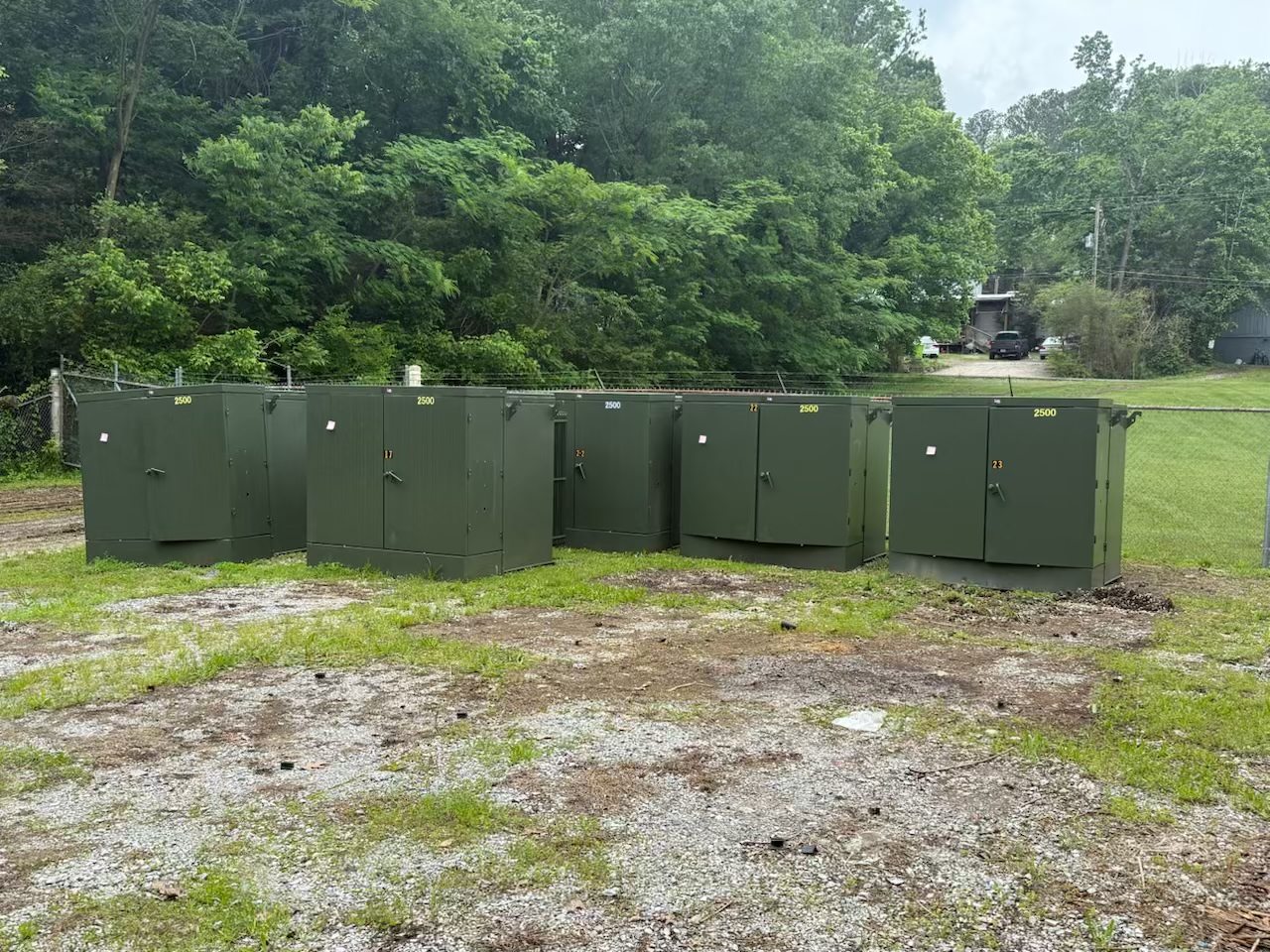
In a Woods Cross industrial-yard setting where a transformer may be stored beside other heavy assets, show the surrounding area as well as the unit. Identify neighboring items that would need to move to create a safe lifting path, and clarify who is responsible for moving them. Also provide approximate dimensions and describe loading access, obstructions, and available approach space. A qualified professional should isolate and verify the transformer before disconnection or movement; qualified personnel handle de-energization and rigging.
Share information for a practical transaction
A concise equipment description can combine the nameplate data, enclosure and cooling details, visible condition, dimensions, and access notes. Send the requested photos from a safe distance, including one that shows the transformer and surrounding stored equipment. Existing records can provide useful context, but you do not need to test the unit or disturb it to prepare a description. Payment is upfront, no testing is required, and freight is covered; acceptance and transaction details are not guaranteed before the equipment information is reviewed.
Woods Cross site and pickup context
Site context: A Woods Cross industrial-yard seller may have equipment stored alongside other heavy assets.
Pickup consideration: Identify any neighboring items that must be moved to create a safe lifting path and who is responsible for moving them.
Helpful details to share: Send a photo showing the transformer and the surrounding stored equipment from a safe distance.
Seller checklist
- Nameplate and enclosure photos
- kVA, voltages, and phase
- Fan or temperature-control details
- Visible corrosion or damage
- Dimensions and loading access
Work safely
Do not drain oil, open enclosures, or approach energized equipment. Tell us about known leaks and available fluid or PCB records; qualified personnel should handle isolation, hazardous materials, and rigging.
Questions about selling in Woods Cross
What should I photograph if the transformer is stored among other heavy equipment?
Take a clear nameplate photo and exterior photos showing the enclosure, visible condition, and the unit’s position among nearby assets. Include one wider view from a safe distance so the surrounding storage and possible lifting route are visible. Do not remove guards, open compartments, or move neighboring equipment just to take pictures.
Do I need to disconnect or inspect the transformer before describing it?
No. Share readable nameplate information, exterior observations, dimensions, and any existing maintenance records. Do not access live circuits, remove guards, or disturb insulation. A qualified professional should isolate and verify the transformer before disconnection or movement, and qualified personnel handle de-energization and rigging.
Related local resources
Local site and seller information
Dry-Type TransformersEquipment identification and seller checklist
Substation and Power TransformersSelling in Woods Cross
Pad-Mounted TransformersSelling in Woods Cross
Pole-Mounted Distribution TransformersSelling in Woods Cross
Oil-Filled TransformersSelling in Woods Cross