Selling equipment in Mapleton
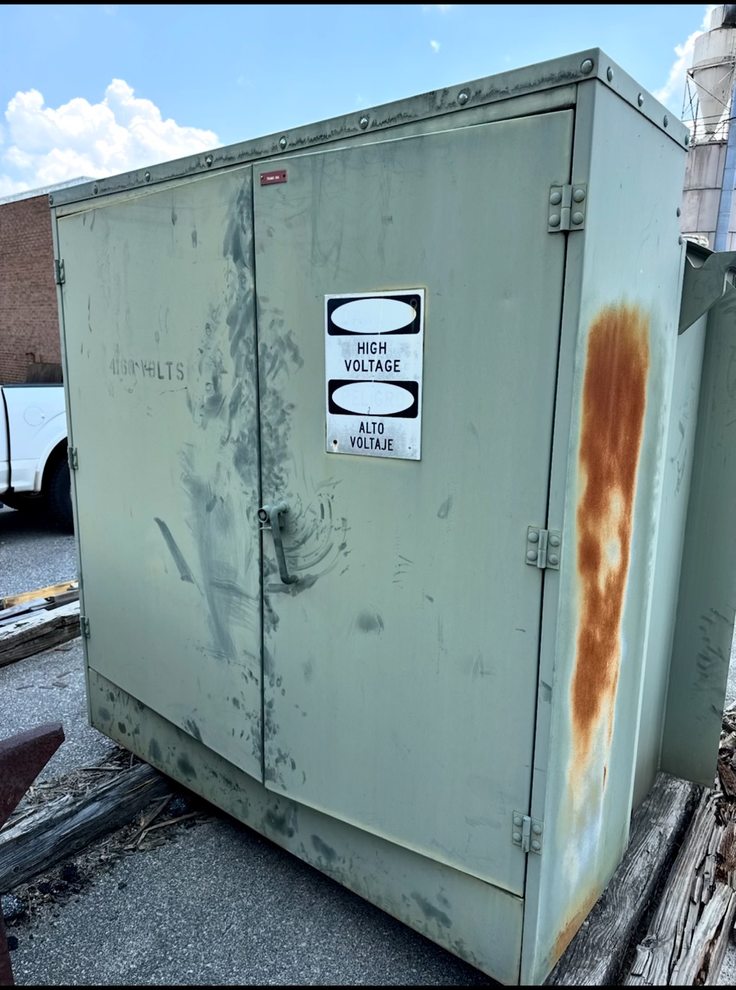
If you have a transformer or surplus electrical equipment to sell in Mapleton, start with the nameplate and photos taken from a safe location. We buy from owners and review the equipment and pickup details before discussing a cash offer.
Identify what you’re offering
If you’re in Mapleton and considering selling a surplus or used transformer, start with details you can read without touching or opening the equipment. Note the manufacturer, model, serial number, type, and ratings shown on its nameplate; take a clear photo from a safe position. Do not energize, test, drain, sample, or dismantle it. No testing is required for a sale. Existing records about the transformer’s fluid or PCB content can help describe it, but their presence does not mean every PCB-containing item is accepted.
Make a clear inventory
If you have several transformers or related equipment to sell, give each item a simple reference number and make a list matching it to its nameplate photos. Gather any existing purchase, maintenance, fluid, or PCB documentation you can readily locate; don’t create records by inspecting the inside of equipment. This organized snapshot helps the buyer understand what you’re offering and discuss the next steps. The buyer pays upfront, but that does not guarantee a price or acceptance of every item.
Describe the collection approach
Mapleton is at the eastern edge of southern Utah Valley, near foothill terrain that can influence an individual site’s approach. If your transformer is at a site with a steep driveway, mention that when arranging collection. If access involves a private-road gate, measure its usable opening and share a photograph showing the gate and measurement. Also explain any access instructions or scheduling constraints. Keep clear of the equipment; qualified personnel must handle electrical isolation and any hazardous-material concerns.
Plan the sale and freight
Before arranging the sale, send the item list, nameplate photographs, available records, and site-access details. Ask the buyer to confirm which equipment they will purchase and coordinate the collection plan; never assume every item will be accepted. Freight is covered, and payment is upfront. If the site has a steep driveway or gated private road, share those details early so collection logistics can be discussed. Leave electrical isolation, hazardous-material handling, and rigging to qualified personnel.
Local context and collection
Site context: Mapleton is at the eastern edge of southern Utah Valley, near foothill terrain that can influence an individual site's approach.
Pickup consideration: Check for steep driveways and confirm that any private-road gate is wide enough for the collection vehicle.
Helpful details to share: Share a photograph of the gate opening with a measurement of its usable width.
Information that helps us review equipment
- Manufacturer, model or serial number, kVA and voltage if readable on the nameplate.
- Overall photographs and the quantity of units available, taken safely.
- The equipment location, any access restrictions, and the contact responsible for the site.
- Known condition, available fluid or PCB records, and any scheduling constraints.
Safety before collection
Do not drain oil, open enclosures, or approach energized equipment. Tell us about known leaks and available fluid or PCB records; qualified personnel should handle isolation, hazardous materials, and rigging.
Questions about selling your equipment
What should I send if a private-road gate controls access?
Send a photograph of the gate opening with a measurement of its usable width, as requested for Mapleton collection planning. Include any access instructions and mention a steep driveway if applicable. Do not try to move or alter equipment to improve access; qualified personnel handle collection and rigging.
Do I need to test a transformer before offering it?
No testing is required. From a safe position, photograph the nameplate and share its visible identification and ratings, along with any existing fluid or PCB records. Do not open, energize, drain, or sample the unit. The buyer pays upfront and covers freight, but acceptance and price are not guaranteed.