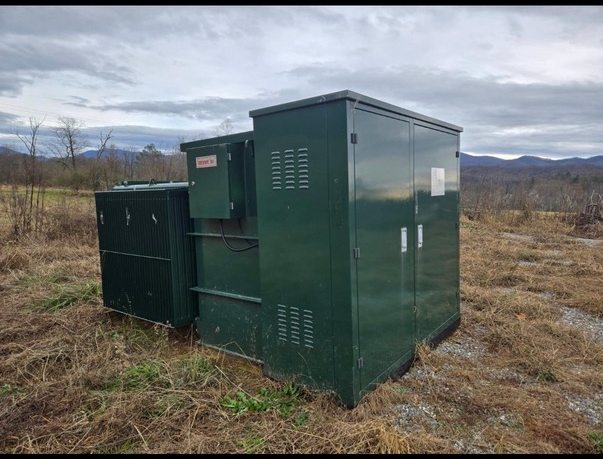
Selling equipment in Riverdale
If you have a transformer or surplus electrical equipment to sell in Riverdale, start with the nameplate and photos taken from a safe location. We buy from owners and review the equipment and pickup details before discussing a cash offer.
Identify the equipment before requesting an offer
For a Riverdale sale, send clear photos of each transformer’s exterior and any existing nameplate. Include the manufacturer, model, serial number, kVA rating, voltage, phase, and approximate weight or dimensions if those details are available. Don’t remove covers or approach exposed electrical parts to find information. If a rating is unreadable, say so rather than guessing. A photo-based description helps us understand what you want to sell; it does not guarantee acceptance or a particular price.
Make a simple inventory for multiple items
If you’re clearing several transformers, give each one a label such as A, B, and C, then match its photos and available nameplate details to that label. Gather existing purchase, maintenance, fluid, or PCB records if you have them; don’t create new samples or paperwork by handling the equipment. Note which items are indoors or outdoors and whether any are visibly damaged or leaking. Qualified personnel should address electrical isolation and hazardous materials.
Plan around a shared rear delivery lane
A Riverdale retail or service property may have a rear delivery lane that needs to remain open for other businesses. Send a photo of the rear service lane with the equipment location marked, and tell us where routine deliveries need to pass. Coordinate the truck’s arrival with the property manager and reserve a short, safe loading area away from regular deliveries. Don’t move a transformer into the lane yourself; qualified personnel should manage rigging and loading.
Set expectations for the sale and freight
Share the equipment list, photos, available records, and the lane-access details before arranging the sale. Payment is upfront, no testing is required, and freight is covered. These terms do not promise a specific price or mean every transformer will be accepted. Keep equipment in place until loading arrangements are confirmed, and ask qualified personnel to handle isolation, hazardous material, and rigging. Don’t drain, open, energize, dismantle, or sample a transformer to prepare it for sale.
Local context and collection
Site context: A Riverdale retail or service property may use a rear delivery lane that must stay available to other businesses.
Pickup consideration: Coordinate the truck's arrival with the property manager and reserve a short, safe loading area away from regular deliveries.
Helpful details to share: Send a photo of the rear service lane with the equipment location indicated.
Information that helps us review equipment
- Manufacturer, model or serial number, kVA and voltage if readable on the nameplate.
- Overall photographs and the quantity of units available, taken safely.
- The equipment location, any access restrictions, and the contact responsible for the site.
- Known condition, available fluid or PCB records, and any scheduling constraints.
Safety before collection
Do not drain oil, open enclosures, or approach energized equipment. Tell us about known leaks and available fluid or PCB records; qualified personnel should handle isolation, hazardous materials, and rigging.
Questions about selling your equipment
What should I send if a transformer’s nameplate is hard to read?
Send an exterior photo and a close photo of the nameplate taken from a safe position, and identify the item in your inventory. Share any existing records that match it. Don’t remove a cover or touch the unit to improve the photo; state which details remain unreadable.
How can we arrange access when deliveries use the rear lane?
Send a photo of the rear service lane with the transformer location indicated. Coordinate the truck’s arrival with the property manager and reserve a short, safe loading area away from regular deliveries. Keep the route clear for other businesses, and leave equipment movement and rigging to qualified personnel.