Selling equipment during data center decommissioning
Offer surplus data-center transformers and related electrical equipment to a buyer for review as part of a staged site retirement; the purchase scope and collection terms depend on the equipment and site.
Planning a sale in West Valley City
For data center decommissioning in West Valley City, identify the equipment owner and the units available for sale, then share the nameplate information and the anticipated collection window. We review the equipment as a buyer; the seller and qualified site personnel remain responsible for site access and safe preparation.
Site context: West Valley City's west-side Salt Lake Valley setting makes a fenced yard or warehouse service area a useful pickup scenario to describe.
Pickup consideration: Provide the gate opening width and identify whether a trailer can turn around without moving other stored equipment.
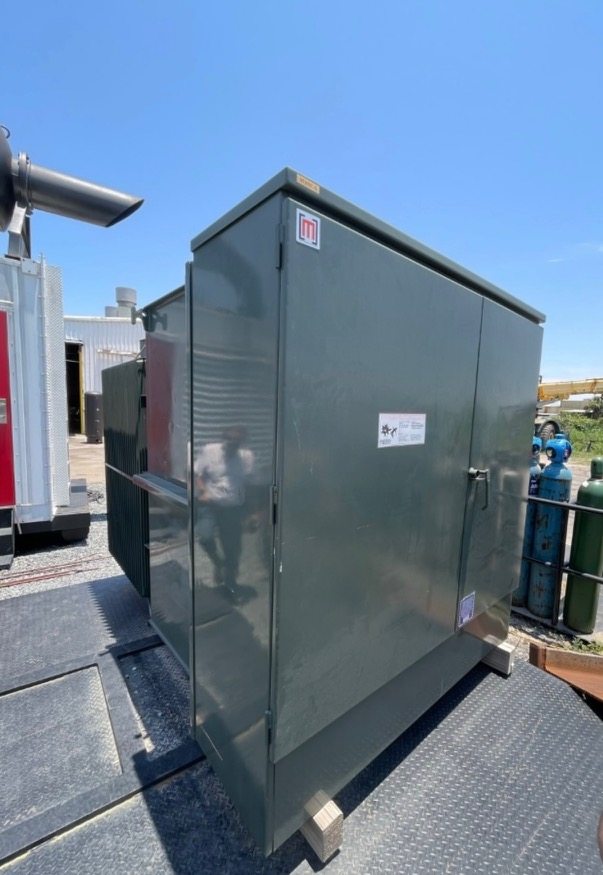
Helpful details to share: Photograph the transformer as a whole next to the yard gate or another recognizable access point.
Separate sale candidates from equipment that must stay
For a staged data center retirement, make a distinct inventory of transformers and related electrical assets you are offering, and a separate list of equipment that must remain onsite. For each sale candidate, record the make, model, kVA rating, voltage, quantity, apparent condition, and ownership status. Note whether units are installed, disconnected, or awaiting release, but do not perform electrical work to establish that status. A clear boundary helps the buyer review the proposed purchase scope without confusing sale assets with retained infrastructure or items intended for disposal.
Build a useful equipment record before pickup planning
Provide exterior nameplate photographs and any available service or test records, along with fluid identification or existing PCB-related records where applicable. These records can inform the quote without requiring you to test equipment or collect samples. Photograph each transformer as a whole beside the yard gate or another recognizable access point so its scale and route can be understood. A site plan locating each unit and showing its access route is useful too. If records are incomplete, identify what is known and what is not rather than guessing.
Coordinate safe release and a written handoff scope
The site owner and appropriately qualified personnel should arrange shutdown, isolation, and verification of de-energization before any collection work. Planning should account for utility feeds, backup generators, UPS systems, and stored energy; qualified personnel handle isolation, hazardous materials, and rigging. Review the written offer and scope to establish which listed assets may be purchased, who disconnects and rigs them, loading responsibilities, insurance, collection timing, and any excluded disposal work. A purchase review does not itself authorize demolition, disconnection, or work on equipment that remains in service.
Make access and freight details specific
Before agreeing on collection arrangements, identify the dock, freight elevator, crane access, or other route that will apply after the equipment is safely released, and note any required security escort. For a yard pickup, provide the gate opening width and say whether a trailer can turn around without moving other stored equipment. Describe staging space and any access constraints accurately, without shifting stored items or preparing equipment through unsafe work. Freight is covered. At handoff, reconcile serial numbers and obtain a signed transfer or loading record identifying what left the site.
Questions about data center decommissioning in West Valley City
What should I photograph when offering a transformer?
Send a whole-unit photo beside the yard gate or another recognizable access point, plus clear exterior nameplate photos. Include available records and identify the unit in your inventory by make, model, kVA, voltage, quantity, condition, and ownership status. Do not open compartments or take photographs that require entering restricted areas.
Do I need to test the transformer before requesting a quote?
No testing is required. Share available service or test records and fluid or PCB-related documentation where applicable; a quote can consider those records without asking you to test or collect samples. Qualified personnel must handle isolation, de-energization, hazardous materials, and rigging, with the site owner coordinating safe release.
A practical equipment-sale sequence
Step 1
List the transformers and other assets offered for sale separately from equipment that must remain onsite; note make, model, kVA, voltage, quantity, condition, and ownership status.
Step 2
Provide exterior nameplate photos, available service or test records, fluid identification where applicable, and a site plan showing each unit and its access route.
Step 3
Arrange the shutdown and isolation through the site owner and appropriately qualified personnel; account for utility feeds, backup generators, UPS systems, and stored energy, and verify de-energization before work.
Step 4
Review the offer and written scope, including which assets the buyer may purchase, who disconnects and rigs them, loading responsibilities, insurance, collection timing, and any excluded disposal work.
Step 5
After safe release, coordinate the dock, freight elevator or crane access, and security escort; reconcile serial numbers and obtain a signed transfer or loading record at handoff.
Before a pickup is arranged
- Identify each unit and share clear nameplate and overall photographs taken safely.
- Describe the location, available access, equipment condition, and any known lifting or scheduling constraints.
- Provide existing fluid, PCB or other relevant records when available; do not collect samples yourself.
- Discuss the offer, upfront payment and freight arrangements before the sale proceeds.
Site safety
Do not drain oil, open enclosures, or approach energized equipment. Tell us about known leaks and available fluid or PCB records; qualified personnel should handle isolation, hazardous materials, and rigging.
Questions sellers ask
Can we offer transformers while part of the data center stays online?
Potentially. Identify which units are actually surplus and have qualified site personnel define and verify the isolation boundary; a buyer review or offer does not authorize work on live equipment.
Will a buyer purchase UPS systems and switchgear as well?
List each asset separately with make, model, condition, and photos. Acceptance and pricing depend on the items and the written agreement; do not assume every component is included.
Who handles server data and media?
The site owner should arrange its own data sanitization and chain of custody. Do not include drives or other data-bearing assets unless their handling is explicitly agreed.