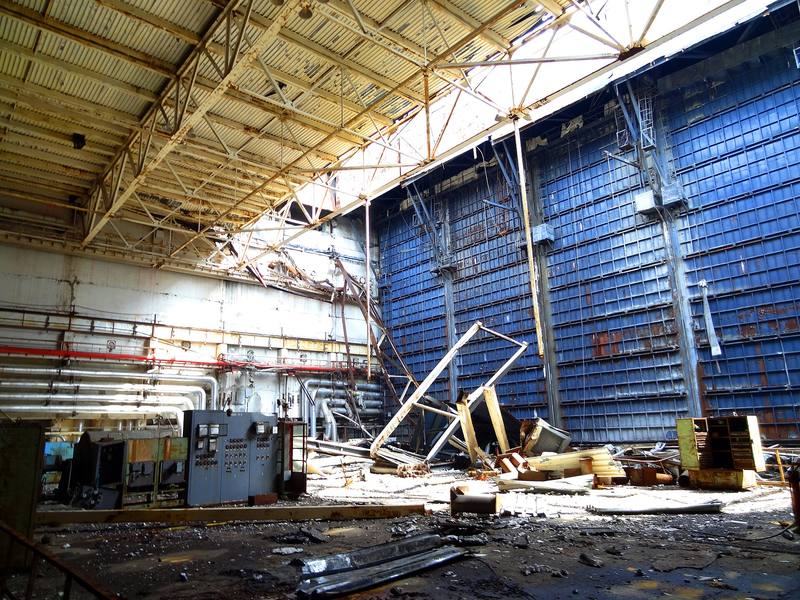
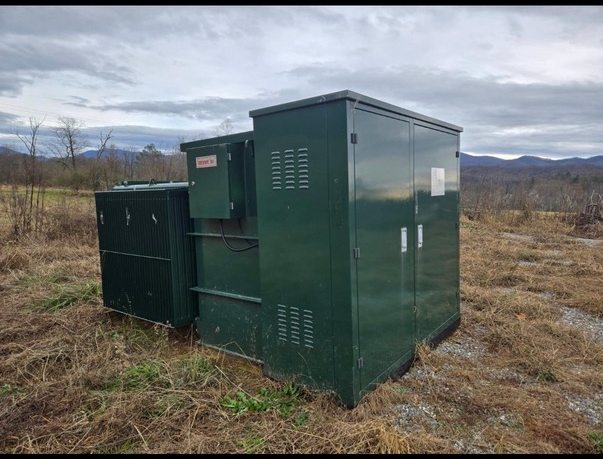
Selling equipment during power plant teardowns
Offer recoverable plant transformers and identified electrical assets to a buyer during a retirement or teardown; asset purchasing, disconnection, demolition, and waste handling are separate scopes to agree explicitly.
Planning a sale in West Valley City
For power plant teardowns in West Valley City, identify the equipment owner and the units available for sale, then share the nameplate information and the anticipated collection window. We review the equipment as a buyer; the seller and qualified site personnel remain responsible for site access and safe preparation.
Site context: West Valley City's west-side Salt Lake Valley setting makes a fenced yard or warehouse service area a useful pickup scenario to describe.
Pickup consideration: Provide the gate opening width and identify whether a trailer can turn around without moving other stored equipment.
Helpful details to share: Photograph the transformer as a whole next to the yard gate or another recognizable access point.
Separate saleable assets from teardown scope
A retirement or teardown can involve main transformers, auxiliary transformers, and other identified electrical assets, but the equipment sale is a distinct scope from disconnection, demolition, and waste handling. Prepare a proposed-asset list that identifies each unit, its owner, location, nameplate rating, known condition, and the components that remain with it. Describe what is excluded as carefully as what is offered. Purchase eligibility and responsibilities for testing, containment, rigging, transport, permits if needed, and disposal of excluded material should be agreed in writing; a quote can consider available fluid and PCB records without requiring you to test.
Build an inventory from records and safe photographs
Gather information already available rather than opening equipment or attempting checks. Useful records can include drawings, weight and dimension data, maintenance history, fluid identification, and PCB documentation. Photograph each accessible nameplate and the surrounding work area, and take a whole-unit photograph beside the yard gate or another recognizable access point. Include main and auxiliary transformers separately where applicable, and note missing records or uncertain details plainly. These materials help describe the assets and assess logistics; they are not a request for you to collect samples, drain fluid, or access locked compartments.
Coordinate release with qualified site personnel
The plant owner should coordinate the shutdown plan with the utility and qualified personnel. All sources and stored energy must be addressed, required energy controls applied, and isolation verified before removal activities. Qualified personnel handle isolation, de-energization, hazardous materials, and rigging; do not treat an equipment purchase as authorization for demolition or work on electrical systems. Before agreeing to a handoff, identify who is responsible for each activity and any containment or waste-handling scope, and ensure the written purchase scope distinguishes those responsibilities from the assets being sold.
Plan staging, access, and freight around the release
Sequence asset release with the teardown schedule, then confirm the practical route from each unit to the pickup point. For a fenced yard or warehouse service area, provide the gate opening width and say whether a trailer can turn around without moving other stored equipment. Share known lift-point information, crane and trailer access constraints, bridge or route limits, and any transport approvals that may be needed. Record condition and asset identity at handoff. Freight is covered; coordinate the pickup arrangement and timing with the agreed release plan rather than assuming demolition or site preparation is included.
Questions about power plant teardowns in West Valley City
What should I send for an initial transformer assessment?
Send an asset list with ownership, location, ratings, known condition, and included components, plus available drawings, dimensions or weights, maintenance and fluid or PCB records, and accessible nameplate photographs. Include a whole-unit photo near the gate or another recognizable access point. Existing records are useful; you do not need to test the transformer.
Does selling the equipment include disconnection or demolition?
No. Asset purchasing, disconnection, demolition, and waste handling are separate scopes that must be agreed explicitly. The plant owner coordinates shutdown with the utility and qualified personnel, who handle isolation, de-energization, hazardous materials, and rigging. Establish in writing who is responsible for testing, containment, transport, permits if needed, and excluded disposal.
A practical equipment-sale sequence
Step 1
Identify the equipment proposed for sale, including main and auxiliary transformers where applicable; establish ownership, location, nameplate ratings, physical condition, and which components stay with each asset.
Step 2
Collect available drawings, weight and dimension records, maintenance history, fluid identification and PCB records, and photographs of each accessible nameplate and surrounding work area.
Step 3
Have the plant owner coordinate the shutdown plan with the utility and qualified personnel; address all sources and stored energy, apply required energy controls, and verify isolation before removal activities.
Step 4
Discuss purchase eligibility and prepare a written scope that distinguishes the purchased assets from demolition and hazardous-material work; assign testing, containment, rigging, transport, permits if needed, and excluded disposal to responsible parties.
Step 5
Sequence the release with the teardown schedule; confirm lift points, crane and trailer access, bridge or route limits, and any required transport approvals, then document condition and transfer at handoff.
Before a pickup is arranged
- Identify each unit and share clear nameplate and overall photographs taken safely.
- Describe the location, available access, equipment condition, and any known lifting or scheduling constraints.
- Provide existing fluid, PCB or other relevant records when available; do not collect samples yourself.
- Discuss the offer, upfront payment and freight arrangements before the sale proceeds.
Site safety
Do not drain oil, open enclosures, or approach energized equipment. Tell us about known leaks and available fluid or PCB records; qualified personnel should handle isolation, hazardous materials, and rigging.
Questions sellers ask
Can a buyer evaluate a transformer before the plant is dismantled?
Yes. Share accessible nameplate photos, records, dimensions, and the proposed release date for an initial review; any inspection or offer remains subject to safe access and agreement.
Is a transformer purchase also a demolition contract?
No. A purchase does not automatically include disconnecting equipment, structural demolition, remediation, or disposal. Put any agreed services and their responsible parties in writing.
What if PCB information is unavailable?
Disclose the missing information and share any existing fluid records. Qualified parties should determine whether testing or other regulatory handling is required before acceptance, transport, or disposal.