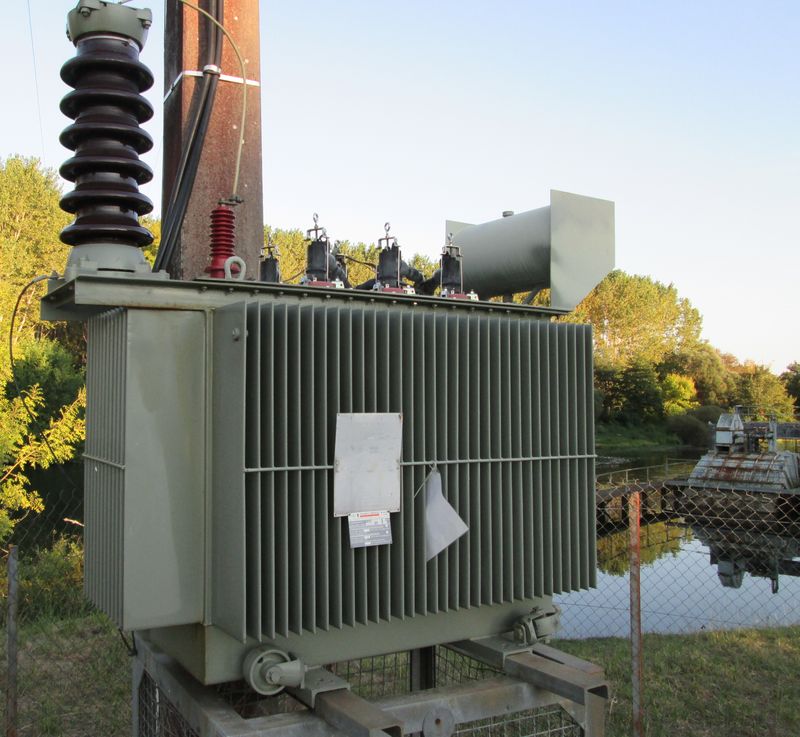
Selling Oil-Filled Transformers in Clinton
Offer surplus oil-filled transformers with fluid records and the tank's known condition.
For a sale in Clinton, tell us where the equipment is and describe the pickup conditions. A nameplate photograph and existing records help us review the unit without asking you to test it.
Describe the transformer and its fluid history
For each surplus oil-filled transformer, provide clear tank and nameplate photos, along with the fluid type and quantity if those details are already known. A nameplate can identify the original insulating fluid and listed quantity, but it does not establish the fluid’s present composition. Share any existing PCB laboratory reports, fluid maintenance records, and sample dates so the equipment can be assessed without asking you to test it. Report visible tank leaks, damaged bushings, missing valves, or other known damage plainly; these details can affect handling and the proposed quote.
Plan pickup access in Clinton
In Clinton, where pickup may involve a compact commercial service lot, access information is part of a useful equipment description. Share a site photo showing the service-lot entrance and any movable obstructions, and confirm whether parked vehicles or waste containers need to be relocated before a flatbed can reach the unit. Include the transformer’s location and loaded weight if known. Do not move or prepare the transformer itself; qualified personnel handle isolation, de-energization, hazardous materials, and rigging.
Give existing records, not new test results
PCB status and site conditions affect safety, regulatory requirements, handling, and whether a particular unit can be accepted; PCB-containing equipment is not automatically acceptable. Send existing records rather than arranging a new sample or attempting to verify the oil yourself. Do not drain, sample, transfer, or open the transformer. Qualified professionals should assess and handle the fluid and any suspect material. If records are incomplete, identify what is missing and describe the tank’s known condition so the available information can be considered accurately.
Make the equipment details useful for a quote
A practical submission combines identifying and condition information: tank and nameplate photos, known fluid type and quantity, existing PCB reports and maintenance records, visible leaks or damage, loaded weight if available, and the unit’s location. Keep observations separate from assumptions—for example, note that a report is old rather than treating it as confirmation of current fluid composition. Include the access photo and any needed vehicle or container relocation details. This helps the buyer consider equipment condition and pickup logistics without relying on unsupported claims.
Clinton site and pickup context
Site context: Clinton is near the Davis-Weber county line, and equipment pickup may involve a compact commercial service lot.
Pickup consideration: Confirm whether parked vehicles or waste containers need to be relocated before a flatbed can reach the unit.
Helpful details to share: Share a site photo showing the service-lot entrance and any movable obstructions.
Seller checklist
- Tank and nameplate photos
- Fluid type and quantity if known
- Existing PCB test reports
- Visible leaks or tank damage
- Loaded weight and access
Work safely
Do not drain oil, open enclosures, or approach energized equipment. Tell us about known leaks and available fluid or PCB records; qualified personnel should handle isolation, hazardous materials, and rigging.
Questions about selling in Clinton
Does the transformer nameplate confirm its current PCB status?
No. The nameplate may identify the original insulating fluid and its listed quantity, but it cannot confirm the fluid’s present composition. Share existing PCB laboratory reports, maintenance records, and sample dates if available; do not collect a sample yourself. PCB status and site conditions affect handling and acceptance.
What should I do if vehicles or waste containers obstruct the service-lot entrance?
Send a photo showing the entrance and movable obstructions, and confirm whether parked vehicles or waste containers need to be relocated for flatbed access. Provide the transformer’s location and known loaded weight as well. Do not attempt to prepare or rig the unit; qualified personnel handle isolation, de-energization, hazardous materials, and rigging.
Related local resources
Local site and seller information
Oil-Filled TransformersEquipment identification and seller checklist
Substation and Power TransformersSelling in Clinton
Pad-Mounted TransformersSelling in Clinton
Pole-Mounted Distribution TransformersSelling in Clinton
Dry-Type TransformersSelling in Clinton