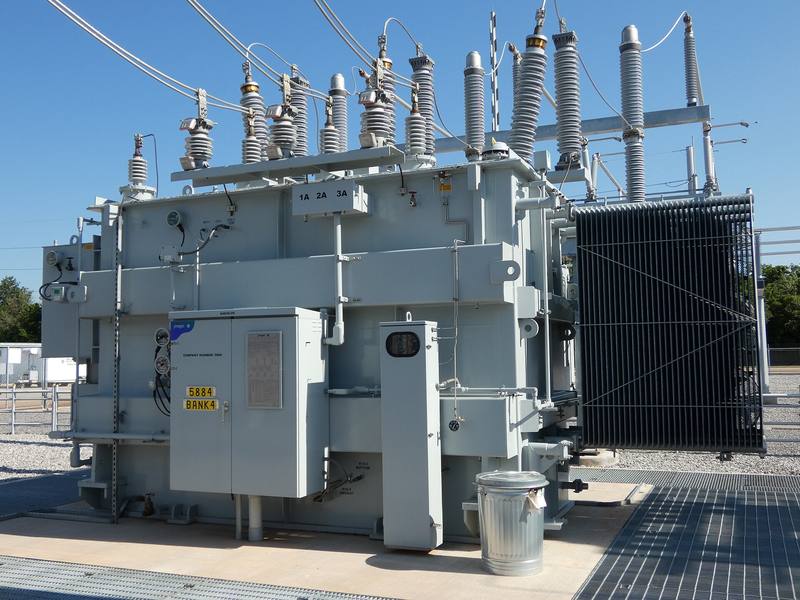
Selling Substation and Power Transformers in Washington
Sell surplus substation and power transformers with their ratings, condition, and removal constraints clearly documented.
For a sale in Washington, tell us where the equipment is and describe the pickup conditions. A nameplate photograph and existing records help us review the unit without asking you to test it.
Describe capacity and cooling from the nameplate
For a substation or power transformer, start with the nameplate rather than an estimated capacity. Record the MVA or kVA rating, primary and secondary voltages, phase count, and frequency, and include clear nameplate and serial-number photos. Note the cooling designation and any additional fan-cooled rating: two units with the same base rating can differ in capacity and configuration. These details help a buyer identify the unit accurately before discussing its condition or collection.
Show exterior condition and completeness
Provide a recent exterior photo that shows the paint condition, labels, and any visible leakage. Add separate views of the bushings and radiators, and describe damage, missing parts, or known leak history without disturbing the equipment. Identify whether load tap changers and control cabinets are present, since these affect how complete the unit is and the space needed for removal. In Washington’s southwest desert setting, outdoor staging can expose equipment to sun and heat; mention its current exposure and any practical limits on access.
Share records without investigating the unit yourself
Send existing oil and PCB records if available, along with the total weight and any known handling or access restrictions. Unknown fluid or PCB status can affect handling decisions and the quote, but you do not need to test the transformer to request a quote. Do not energize it, drain oil, open restricted compartments, or disturb suspect materials. Qualified personnel handle isolation, de-energization, hazardous materials, and rigging; describe only records and conditions already known to you.
Plan an accessible collection window
Coordinate an appropriate collection window and explain how the transformer can be reached, including any crane-access constraints or obstacles that could limit removal. Keep the equipment accessible without disturbing an active electrical area, and identify any site restrictions that affect staging or movement. In hot, sunny conditions, timing and exposure may matter for an outdoor collection, so describe the available window and current setup when arranging pickup. Clear information about weight, access, and configuration helps the parties plan the collection approach.
Washington site and pickup context
Site context: Washington is in Utah's southwest desert region, where outdoor equipment staging may require attention to sun and heat.
Pickup consideration: Coordinate an appropriate collection window and make sure the equipment remains accessible without disturbing an active electrical area.
Helpful details to share: Provide a recent exterior photo showing the unit's paint condition, labels, and any visible leakage.
Seller checklist
- Nameplate and serial number photos
- MVA, voltage, and cooling ratings
- Oil and PCB records if available
- Bushing and radiator condition
- Weight and crane access
Work safely
Do not drain oil, open enclosures, or approach energized equipment. Tell us about known leaks and available fluid or PCB records; qualified personnel should handle isolation, hazardous materials, and rigging.
Questions about selling in Washington
What information is most useful if I do not have complete transformer records?
Share the nameplate and serial-number photos, visible condition, known leak history, total weight, and any oil or PCB records you already have. Clearly label missing information as unknown rather than estimating it. A quote can consider available fluid and PCB records without requiring you to test the unit.
Should I prepare the transformer for removal before collection?
Do not energize, drain, disassemble, or disturb suspect materials, and do not enter an active electrical area to improve access. Keep the unit accessible where it is safe to do so, and communicate restrictions and the collection window. Qualified personnel handle isolation, de-energization, hazardous materials, and rigging.
Related local resources
Local site and seller information
Substation and Power TransformersEquipment identification and seller checklist
Pad-Mounted TransformersSelling in Washington
Pole-Mounted Distribution TransformersSelling in Washington
Dry-Type TransformersSelling in Washington
Oil-Filled TransformersSelling in Washington