Selling Pad-Mounted Transformers in Washington
Offer surplus pad-mounted distribution transformers with enclosure, fluid, and access information.
For a sale in Washington, tell us where the equipment is and describe the pickup conditions. A nameplate photograph and existing records help us review the unit without asking you to test it.
Describe the transformer before collection
Pad-mounted distribution transformers enclose their connections in a cabinet at ground level. To distinguish similar-looking units, provide the nameplate details for primary voltage, secondary voltage, kVA, and whether the design is single-phase or three-phase. Share these details from records or from a label that is safely visible; do not open a compartment to find them. This information helps the buyer understand what the unit is and assess its surplus value without relying on cabinet appearance alone.
Show exterior condition without exposing electrical parts
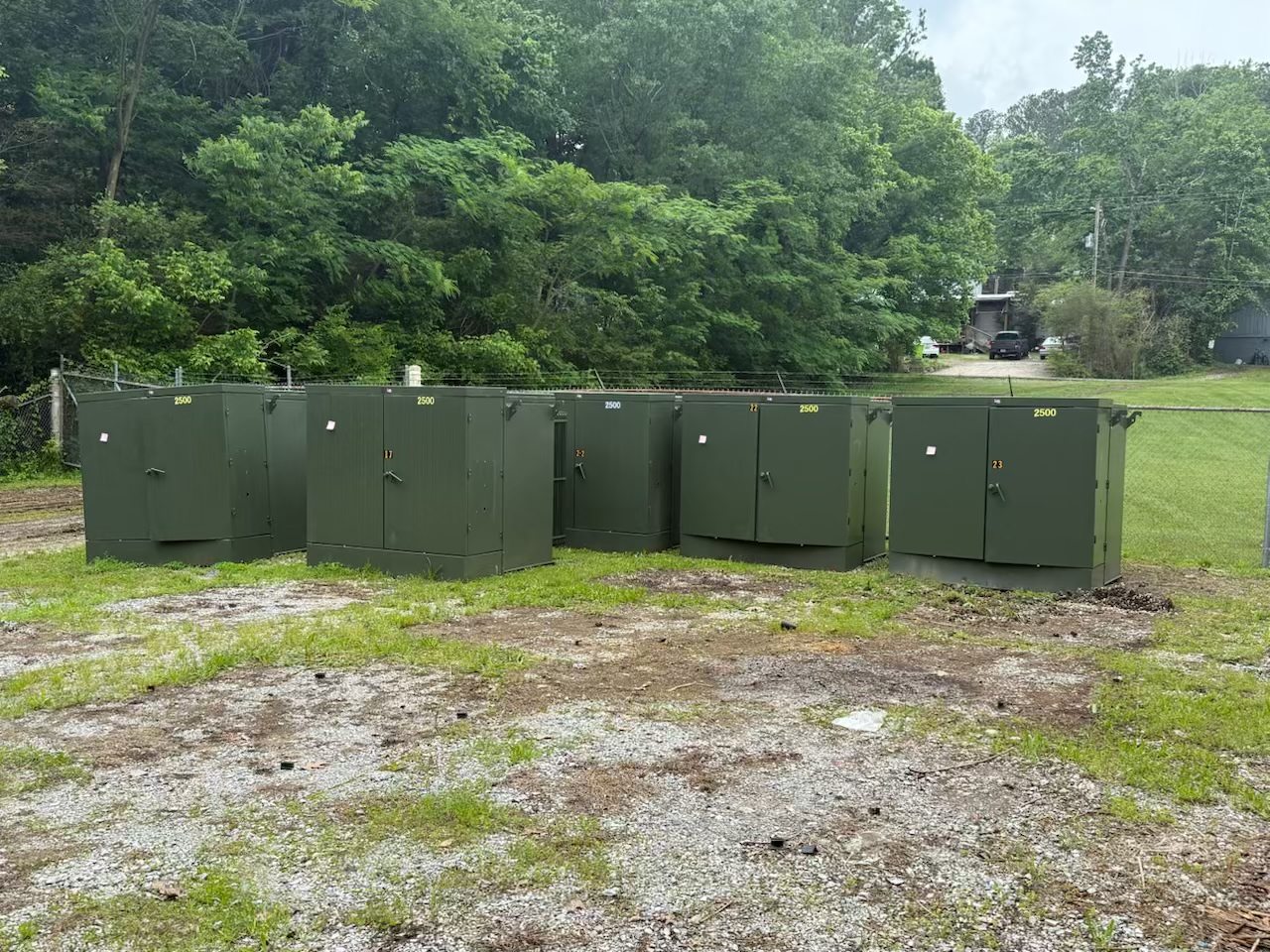
Send a recent exterior photo showing the cabinet’s paint condition, labels, and any visible leakage. A closed-cabinet image and accessible views of the exterior can also reveal corrosion, impact damage, or missing doors. Keep the cabinet closed: photographs should not require access to electrical parts or compartments. In Washington’s southwest desert setting, outdoor staging may involve sun and heat, so note where the unit is staged and describe any relevant condition concerns rather than attempting repairs or opening the enclosure.
Share fluid records and leave hazardous work to qualified personnel
Tell the buyer whether fluid or PCB records are available, and provide existing documentation if you have it. Oil or another dielectric fluid, any recorded PCB information, and visible leakage can affect handling and the quote; a quote can consider available records without requiring you to test the unit. Do not drain fluid or collect samples. Qualified personnel handle isolation, de-energization, hazardous materials, and rigging. The buyer does not require you to energize the transformer or expose electrical parts to describe it.
Plan access and the collection handoff
Before collection, confirm that the transformer and its pad are accessible to the truck and that the route can be used without disturbing an active electrical area. Coordinate an appropriate collection window, especially if the unit is staged outdoors in sun and heat. Share any access constraints in advance so the pickup can be planned around them. Payment is upfront, no testing is required, and freight is covered; these terms do not mean every unit is accepted, so provide clear equipment and condition information for the buyer’s review.
Washington site and pickup context
Site context: Washington is in Utah's southwest desert region, where outdoor equipment staging may require attention to sun and heat.
Pickup consideration: Coordinate an appropriate collection window and make sure the equipment remains accessible without disturbing an active electrical area.
Helpful details to share: Provide a recent exterior photo showing the unit's paint condition, labels, and any visible leakage.
Seller checklist
- Closed cabinet and nameplate photos
- Primary and secondary voltages
- Single-phase or three-phase rating
- Available fluid and PCB records
- Pad and truck access
Work safely
Do not drain oil, open enclosures, or approach energized equipment. Tell us about known leaks and available fluid or PCB records; qualified personnel should handle isolation, hazardous materials, and rigging.
Questions about selling in Washington
What information should I send if I cannot safely read the nameplate?
Do not open the cabinet or approach an unsafe area to obtain details. Send the exterior photos you can take safely and share any available inventory or equipment records, including voltage, kVA, and phase information. Note which details are unavailable; qualified personnel can address access and electrical safety.
Do I need to test the transformer or remove its fluid before pickup?
No. Do not energize the unit, test it, drain fluid, or collect samples. Share existing fluid and PCB documentation, along with any visible leakage you can observe from outside the closed cabinet. Qualified personnel handle isolation, de-energization, hazardous materials, and rigging.
Related local resources
Local site and seller information
Pad-Mounted TransformersEquipment identification and seller checklist
Substation and Power TransformersSelling in Washington
Pole-Mounted Distribution TransformersSelling in Washington
Dry-Type TransformersSelling in Washington
Oil-Filled TransformersSelling in Washington