Selling equipment in Holladay
If you have a transformer or surplus electrical equipment to sell in Holladay, start with the nameplate and photos taken from a safe location. We buy from owners and review the equipment and pickup details before discussing a cash offer.
Sell transformers from Holladay commercial properties
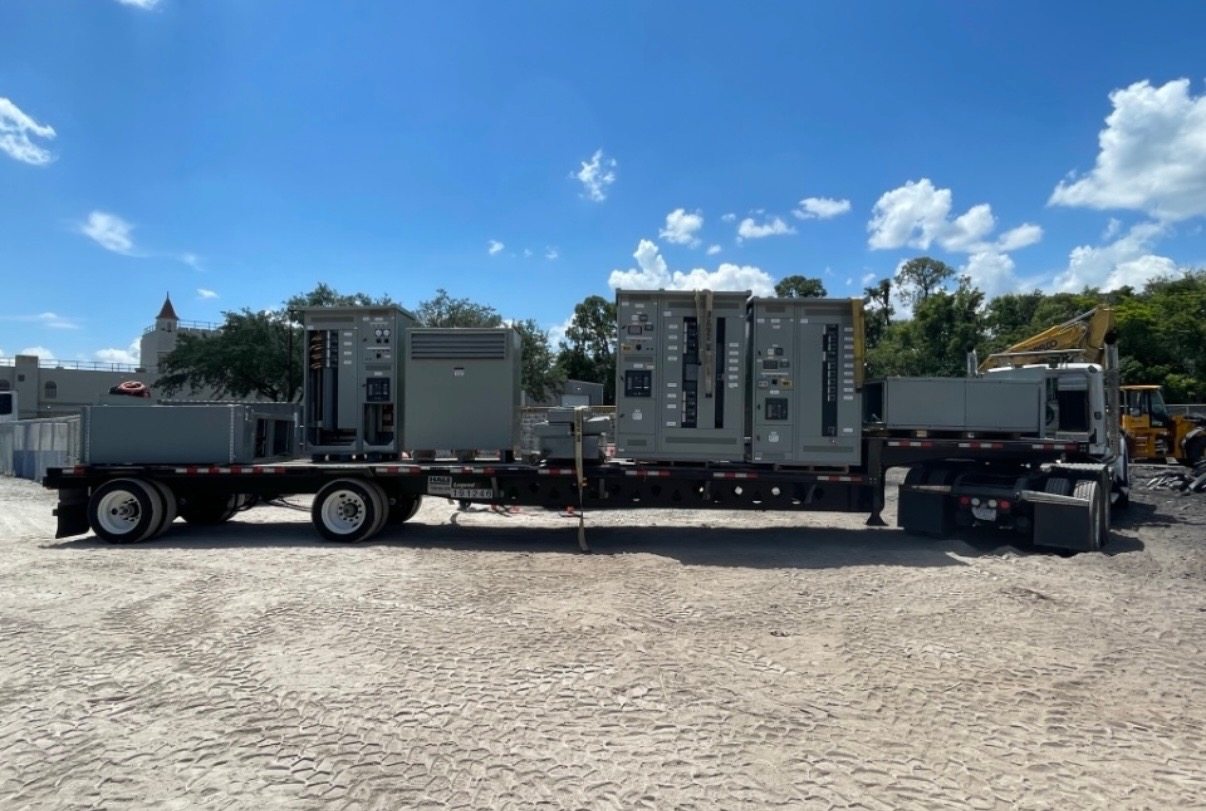
If you own surplus or used transformers at a commercial property in Holladay, share the equipment details to start a cash-sale conversation. A clear exterior photograph showing visible dents or corrosion helps describe condition without touching the unit. If you can safely read the nameplate from an accessible position, note the manufacturer, model, serial number, type, and ratings such as voltage and kVA. Do not open, energize, drain, sample, test, or dismantle equipment; leave electrical isolation and any hazardous-material work to qualified personnel.
Make a compact inventory and gather records
Where a property has several units, list each transformer separately and label the list with any existing location or inventory identifier. Add accessible nameplate details and note visible condition, including dents or corrosion; photographs can help distinguish similar items. Gather records already on hand, such as purchase or maintenance documents and any PCB or insulating-fluid documentation. Do not create new fluid samples or inspect inside equipment. Existing records are useful context, but they do not establish that every item can be accepted.
Plan a clear, safe loading point
If staging space is limited or customer parking is nearby, identify a loading spot the property owner can keep clear. Describe the route and any site scheduling or access instructions, and make sure the proposed spot does not block emergency access. Share these details before arranging removal so the logistics can be discussed. Do not move a transformer to create space or attempt to rig it; electrical isolation, hazardous-material handling, and lifting or rigging belong to qualified personnel.
Arrange the sale and freight
When you provide the inventory, exterior photos, available records, and loading details, the buyer can discuss which equipment may fit the purchase. Payment is upfront, no testing is required, and freight is covered. These terms do not guarantee a particular price or acceptance of every transformer, so describe each item accurately and ask about the specific units you want to sell. Keep equipment in place and do not prepare it by opening, draining, dismantling, or otherwise handling internal components.
Local context and collection
Site context: A Holladay commercial property may have limited space to stage equipment away from customer parking.
Pickup consideration: Identify a loading spot that the property owner can keep clear and that does not block emergency access.
Helpful details to share: Share a photograph of the transformer's exterior condition, including any visible dents or corrosion.
Information that helps us review equipment
- Manufacturer, model or serial number, kVA and voltage if readable on the nameplate.
- Overall photographs and the quantity of units available, taken safely.
- The equipment location, any access restrictions, and the contact responsible for the site.
- Known condition, available fluid or PCB records, and any scheduling constraints.
Safety before collection
Do not drain oil, open enclosures, or approach energized equipment. Tell us about known leaks and available fluid or PCB records; qualified personnel should handle isolation, hazardous materials, and rigging.
Questions about selling your equipment
What should I photograph and record before asking to sell a transformer?
Take an exterior photograph that shows the overall condition and any visible dents or corrosion. If the nameplate is readable without approaching an unsafe area, record the manufacturer, model, serial number, type, voltage, and kVA. Include existing PCB or fluid documents if available; do not open or sample the unit.
How should I plan pickup if customer parking leaves little staging space?
Identify a loading spot the property owner can keep clear without blocking emergency access. Tell the buyer about the route, parking constraints, and any site scheduling or access instructions. Leave the transformer where it is; qualified personnel must handle electrical isolation and rigging. Freight is covered, and no testing is required.