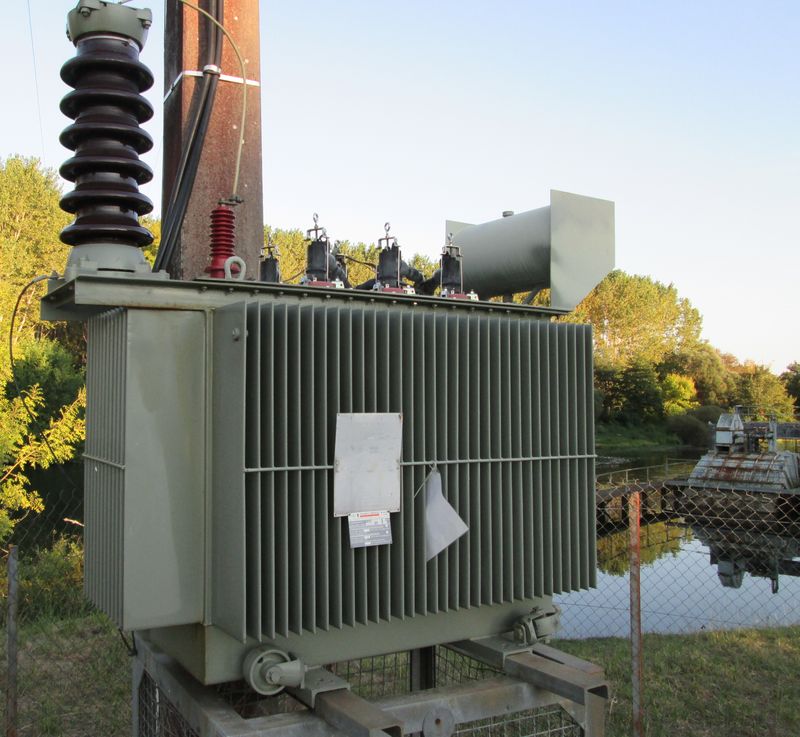
Selling equipment in Midvale
If you have a transformer or surplus electrical equipment to sell in Midvale, start with the nameplate and photos taken from a safe location. We buy from owners and review the equipment and pickup details before discussing a cash offer.
Selling a transformer during a Midvale renovation
If a building renovation in Midvale releases a dry-type transformer from a mechanical or electrical room, you can send its nameplate information and a safe exterior photo to request a cash purchase. Include the dry-type or cooling information visible on the plate. Do not open the enclosure or approach equipment that may be energized; have qualified personnel handle electrical isolation. No testing is required, and payment is upfront. A price is not guaranteed, and not every item is necessarily accepted.
Identify and organize the equipment
For one unit or several, make a simple inventory using information already visible or available in your records: manufacturer, model, serial number, ratings, and dry-type or cooling details. Photograph the nameplate only if it is safely accessible without opening the enclosure or entering a restricted area. Keep existing equipment lists, invoices, and condition or fluid documentation together. If records identify PCB content, share them; documentation is useful, but it does not mean every PCB-containing item is accepted.
Plan a safe exit route
If the transformer is in a mechanical or electrical room, ask the site team to identify the intended exit path and measure its narrowest doorway. Ask whether door hardware can remain in place, as the Midvale site consideration recommends. Share those measurements and any access or scheduling constraints with the buyer before planning removal. Do not move the transformer, alter the doorway, or arrange rigging yourself; qualified personnel should manage electrical isolation and lifting.
Arrange the sale and freight
Before committing to a removal plan, send the equipment details, safe exterior photo, available records, doorway measurement, and site access or scheduling information. This helps the buyer discuss the transaction and logistics without requiring you to test or dismantle anything. Payment is upfront, and freight is covered. Do not assume a quoted amount or acceptance of every unit until the buyer confirms the purchase. If several items are involved, identify each one separately so the proposed sale is clear.
Local context and collection
Site context: A Midvale building renovation may release a dry-type transformer located in a mechanical or electrical room.
Pickup consideration: Measure the narrowest doorway along the exit path and ask the site team whether door hardware can remain in place.
Helpful details to share: Share a safe exterior photo of the enclosure and the nameplate's dry-type or cooling information.
Information that helps us review equipment
- Manufacturer, model or serial number, kVA and voltage if readable on the nameplate.
- Overall photographs and the quantity of units available, taken safely.
- The equipment location, any access restrictions, and the contact responsible for the site.
- Known condition, available fluid or PCB records, and any scheduling constraints.
Safety before collection
Do not drain oil, open enclosures, or approach energized equipment. Tell us about known leaks and available fluid or PCB records; qualified personnel should handle isolation, hazardous materials, and rigging.
Questions about selling your equipment
What should I send about a dry-type transformer from a Midvale renovation?
Send a safe exterior photo and the nameplate information, especially dry-type or cooling details and the visible ratings. Add any equipment records you already have. Do not open the enclosure or test the transformer to get information; qualified personnel must handle electrical isolation.
What should I check before planning removal from a mechanical or electrical room?
Ask the site team to measure the narrowest doorway along the exit path and whether door hardware can stay in place. Share the measurement and any access or scheduling constraints with the buyer. Qualified personnel—not the owner—should handle isolation and rigging.