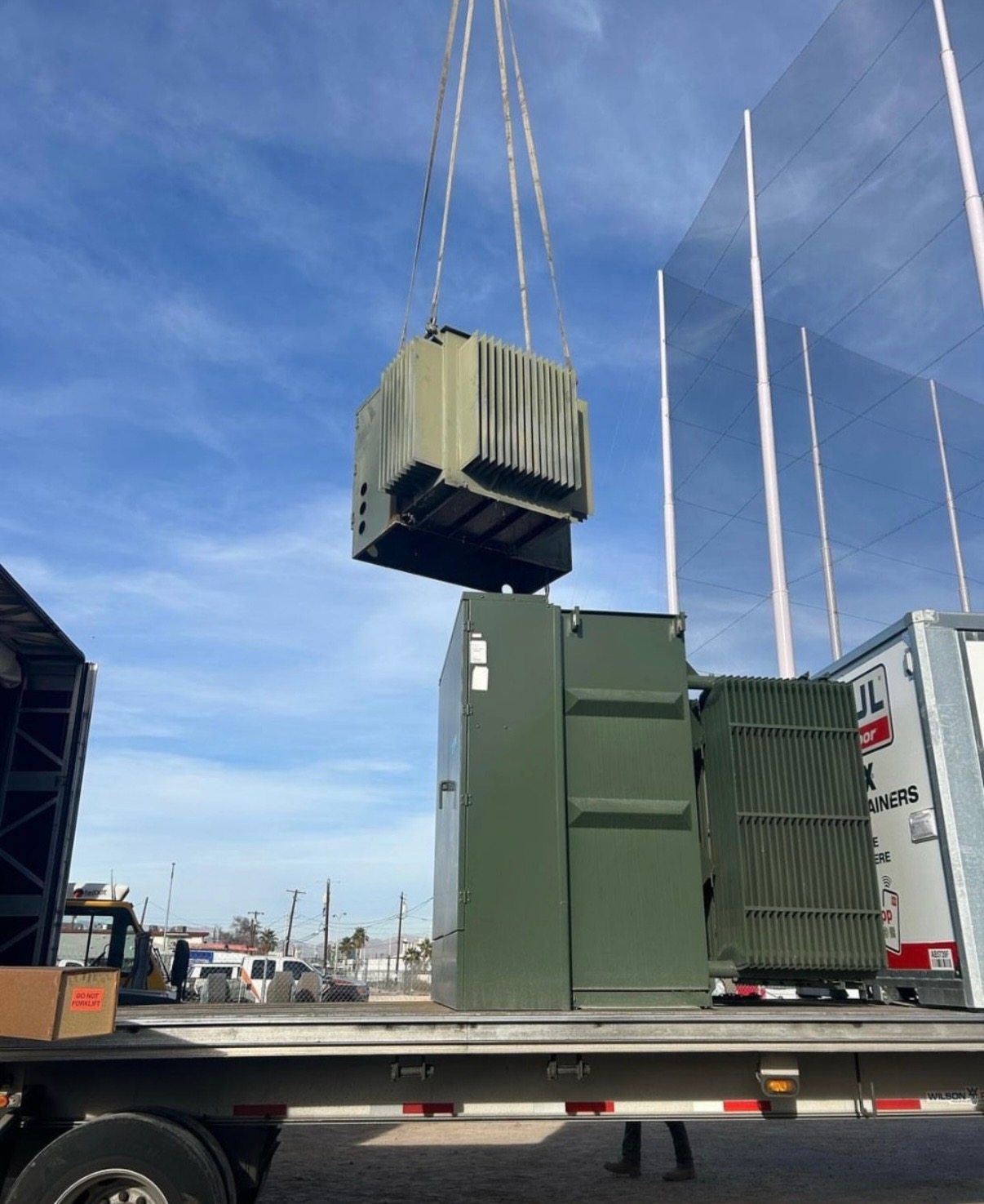
Selling equipment in Orem
If you have a transformer or surplus electrical equipment to sell in Orem, start with the nameplate and photos taken from a safe location. We buy from owners and review the equipment and pickup details before discussing a cash offer.
Identify what you have before requesting an offer
For an Orem sale, start with the information visible on the transformer’s exterior nameplate: manufacturer, model, serial number, type, and electrical ratings such as kVA and voltage. Photograph the nameplate and the full unit from a safe position; do not open, energize, test, drain, or dismantle equipment. If the label is unreadable, send clear photos and describe what you can see rather than guessing. No testing is required. An offer is not a guarantee that every item will be accepted.
Make a clear inventory and gather existing records
If you are selling several transformers, list each as a separate item and match its photos and nameplate details to that entry. Include any existing ownership, maintenance, or fluid and PCB documentation you can readily locate; do not take samples or create new technical records yourself. For an Orem commercial-building sale, coordinate with other tenants if access or removal could affect shared areas or schedules. This gives the buyer useful context without assuming anything about the building or its equipment.
Share safe access and scheduling details
Describe the route from the equipment room to the building exit, including the doorway shown from outside with its width noted. If a service elevator is needed, confirm whether it is available and share its rated capacity and door dimensions. Mention tenant coordination, access rules, and any scheduling windows the building requires. Do not move the transformer or attempt rigging; qualified personnel must handle electrical isolation, hazardous material, and lifting. Share these details so access and removal can be planned appropriately.
Plan the sale and freight
When arranging a sale, provide the inventory, photos, existing records, and access details together, then confirm which specific equipment the buyer will purchase. Payment is upfront, no testing is required, and freight is covered. These terms do not guarantee a price or acceptance of every transformer. Keep equipment in place and leave electrical isolation, any hazardous-material handling, and rigging to qualified personnel. If tenant coordination or elevator access is necessary, settle those arrangements with the building before the planned removal.
Local context and collection
Site context: An Orem commercial-building seller may need to coordinate a transformer removal with other tenants in Utah Valley.
Pickup consideration: Confirm whether the service elevator is available and share its rated capacity and door dimensions if it is needed.
Helpful details to share: Provide a photo of the equipment-room doorway from the outside, with the door width noted.
Information that helps us review equipment
- Manufacturer, model or serial number, kVA and voltage if readable on the nameplate.
- Overall photographs and the quantity of units available, taken safely.
- The equipment location, any access restrictions, and the contact responsible for the site.
- Known condition, available fluid or PCB records, and any scheduling constraints.
Safety before collection
Do not drain oil, open enclosures, or approach energized equipment. Tell us about known leaks and available fluid or PCB records; qualified personnel should handle isolation, hazardous materials, and rigging.
Questions about selling your equipment
What should I send if the transformer nameplate cannot be read?
Send a clear photo of the whole transformer and close-up photos of any labels or markings visible from a safe position. Describe the number of units and their apparent location. Do not open or energize equipment, or try to test it; no testing is required.
What should an Orem commercial-building seller confirm before removal?
Coordinate access with other tenants if needed. Share a photo of the equipment-room doorway from outside and note its width. If the route requires a service elevator, confirm availability and provide its rated capacity and door dimensions. Qualified personnel handle isolation and rigging.