Selling Pad-Mounted Transformers in Roy
Offer surplus pad-mounted distribution transformers with enclosure, fluid, and access information.
For a sale in Roy, tell us where the equipment is and describe the pickup conditions. A nameplate photograph and existing records help us review the unit without asking you to test it.
Identify the transformer from its rating details
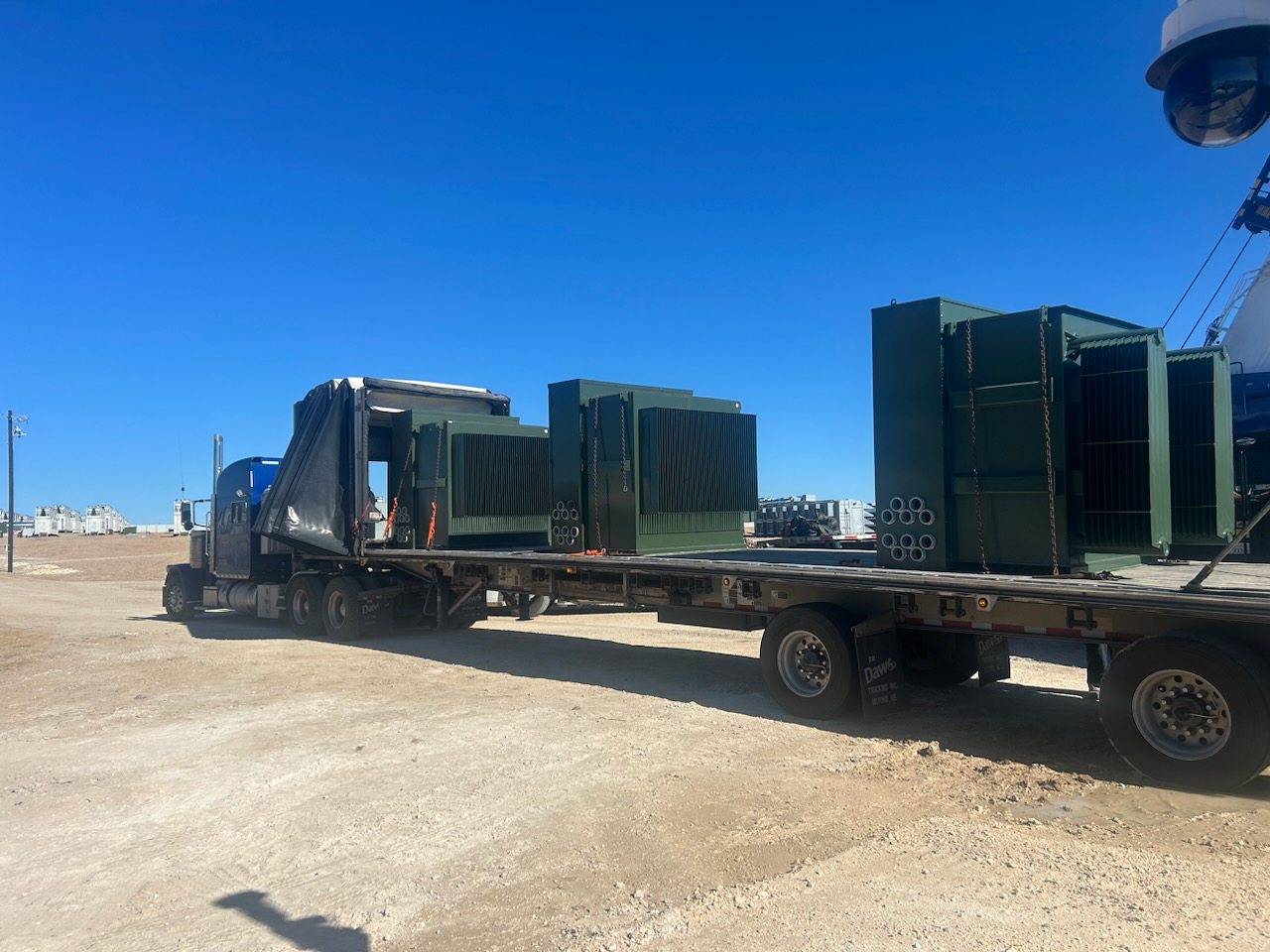
Pad-mounted transformers keep their connections inside a ground-level enclosure. Single-phase and three-phase models can look similar, so share the nameplate information that distinguishes them: primary voltage, secondary voltage, kVA, and feed arrangement. A clear nameplate photo and a picture of the closed cabinet help describe the unit without exposing electrical parts. If the rating plate is unreadable or inaccessible, report that rather than opening a compartment or attempting to operate the transformer.
Describe condition without opening the cabinet
Photographs of the closed enclosure and accessible exterior can show corrosion, impact damage, or missing doors. Include any visible leakage in your description, but do not touch fluid or open the cabinet to investigate. Note whether the transformer contains oil or another dielectric fluid and share any existing fluid or PCB documentation. These records help inform handling and the quote; you do not need to test the fluid. Qualified personnel handle isolation, de-energization, hazardous materials, and rigging.
Plan access for collection in Roy
For a seller clearing equipment from a small manufacturing or maintenance building in Roy, access details can affect how the transformer is moved and loaded. Check the overhead-door height and, if safely accessible, send a photo taken from inside the cleared route. Describe whether the unit appears to need rolling, lifting, or loading at floor level, and note pad and truck access. Do not move or rig the transformer yourself; qualified personnel handle the equipment and lifting arrangements. Payment is upfront, no testing is required, and freight is covered.
Prepare a clear equipment description
Before arranging the sale, gather closed-cabinet and nameplate photos, the single-phase or three-phase rating, primary and secondary voltages, kVA, and feed arrangement. Add the available fluid and PCB records, a brief account of visible condition, and notes about the pad and truck route. If the unit’s status or a rating is unknown, label it unknown rather than guessing. A quote can consider the information and records you have without asking you to test, energize, drain, or disassemble the transformer.
Roy site and pickup context
Site context: A Roy seller may be clearing equipment from a small manufacturing or maintenance building in the northern Wasatch Front.
Pickup consideration: Check the overhead-door height and identify whether the transformer must be rolled, lifted, or loaded at floor level.
Helpful details to share: Share the exterior nameplate weight and a picture of the overhead door from inside the cleared route, if safely accessible.
Seller checklist
- Closed cabinet and nameplate photos
- Primary and secondary voltages
- Single-phase or three-phase rating
- Available fluid and PCB records
- Pad and truck access
Work safely
Do not drain oil, open enclosures, or approach energized equipment. Tell us about known leaks and available fluid or PCB records; qualified personnel should handle isolation, hazardous materials, and rigging.
Questions about selling in Roy
What should I send if I cannot read the nameplate?
Send a clear photo of the plate if it is safely accessible, plus a photo of the closed cabinet and exterior. Describe any rating information you can read and mark missing details as unknown. Do not open a compartment or energize the unit to find specifications.
Do I need to test the transformer fluid or provide PCB documentation?
No testing is required. Share any existing fluid or PCB records and state whether the dielectric fluid is known to be oil or another type. If records are unavailable, say so; do not drain the unit, collect a sample, or handle suspected hazardous materials.