Selling Dry-Type Transformers in Roy
Offer surplus dry-type transformers with enclosure, winding, and rating information.
For a sale in Roy, tell us where the equipment is and describe the pickup conditions. A nameplate photograph and existing records help us review the unit without asking you to test it.
Identify the transformer from its nameplate
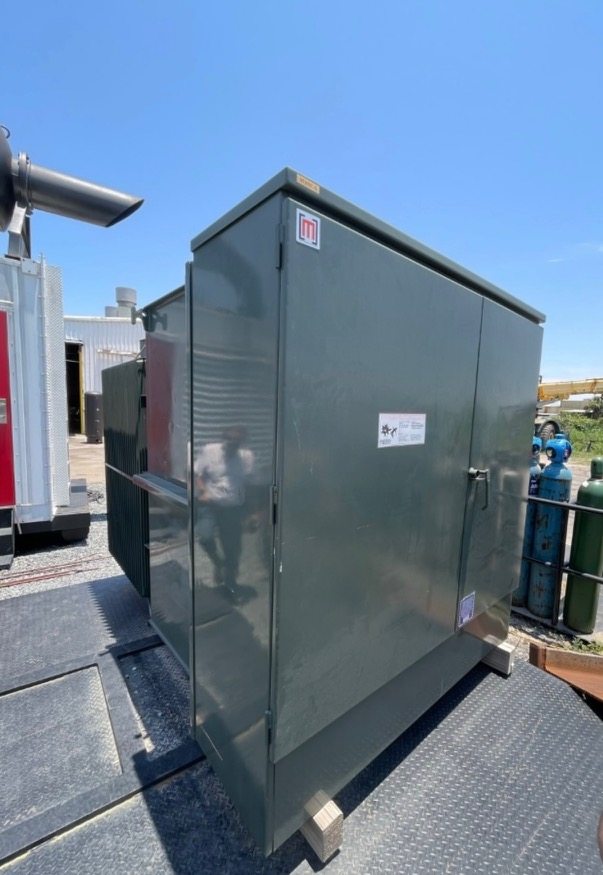
For a dry-type transformer, the nameplate is the clearest starting point for describing what you have. Share its kVA rating, primary and secondary voltages, phase count, and impedance when legible; these details help distinguish units that may look similar from the outside. Note the enclosure type and whether ventilation openings, fans, or temperature controls are present. Dry-type units use air or another dry insulating medium rather than a liquid-filled main tank, so describe the equipment as seen and do not open guards or disturb insulation to inspect the windings.
Plan a workable route from the building
If the transformer is being cleared from a small manufacturing or maintenance building in Roy, describe the route from its current position to the loading point. Check the overhead-door height and note whether the unit would need to be rolled, lifted, or loaded at floor level. If safely accessible, provide the exterior nameplate weight and a picture of the overhead door taken from inside the cleared route. Dimensions and access details help establish what handling and loading arrangements need consideration before a collection is planned.
Describe condition without dismantling
Send clear photos of the nameplate and enclosure, along with a brief description of visible corrosion, dents, or other exterior damage. Mention whether fans or temperature controls are fitted and, if known, whether they appear to be part of the unit; do not remove guards or disturb insulation to check internal components. Existing maintenance records can add useful context, but records are not a substitute for describing the equipment accurately. A qualified professional should isolate and verify the transformer before disconnection or movement, and qualified personnel handle de-energization and rigging.
Prepare the information for a quote
A concise equipment description can combine the rating details, enclosure and accessory information, exterior condition, dimensions, and access notes in one message. Include any existing records that help identify the transformer and its history, and say plainly when a detail is unknown rather than estimating it. For a seller arranging a collection in the northern Wasatch Front, the door and loading-route information is especially useful alongside the nameplate weight. A quote can consider available equipment and records without asking you to test the transformer.
Roy site and pickup context
Site context: A Roy seller may be clearing equipment from a small manufacturing or maintenance building in the northern Wasatch Front.
Pickup consideration: Check the overhead-door height and identify whether the transformer must be rolled, lifted, or loaded at floor level.
Helpful details to share: Share the exterior nameplate weight and a picture of the overhead door from inside the cleared route, if safely accessible.
Seller checklist
- Nameplate and enclosure photos
- kVA, voltages, and phase
- Fan or temperature-control details
- Visible corrosion or damage
- Dimensions and loading access
Work safely
Do not drain oil, open enclosures, or approach energized equipment. Tell us about known leaks and available fluid or PCB records; qualified personnel should handle isolation, hazardous materials, and rigging.
Questions about selling in Roy
What should I send if part of the nameplate is unreadable?
Send a photo showing the full nameplate and enclosure, then provide only the rating details you can read confidently, such as kVA, voltages, and phase. Note which fields are obscured or illegible. Do not remove covers or guards to find another label; existing records may help fill in identification details.
Do I need to test or disconnect the transformer before requesting a quote?
No testing is required to request a quote. Share the visible nameplate, exterior condition, available records, and collection-access details. Do not disconnect or move the unit yourself: a qualified professional should isolate and verify it, while qualified personnel handle de-energization and rigging.