Selling equipment in Smithfield
If you have a transformer or surplus electrical equipment to sell in Smithfield, start with the nameplate and photos taken from a safe location. We buy from owners and review the equipment and pickup details before discussing a cash offer.
Start with the transformer’s identifying details
If you are preparing to sell a surplus transformer in Smithfield, record what you can read from its exterior nameplate without opening or touching the equipment. Note the manufacturer, model, serial number, voltage, kVA rating, and approximate dimensions if visible. Photograph the nameplate and the unit from a safe position. Do not energize, test, drain, sample, or dismantle it. A buyer can use the information to discuss the item, but a description or photo does not guarantee acceptance or a particular price.
Make a clear inventory when you have several items
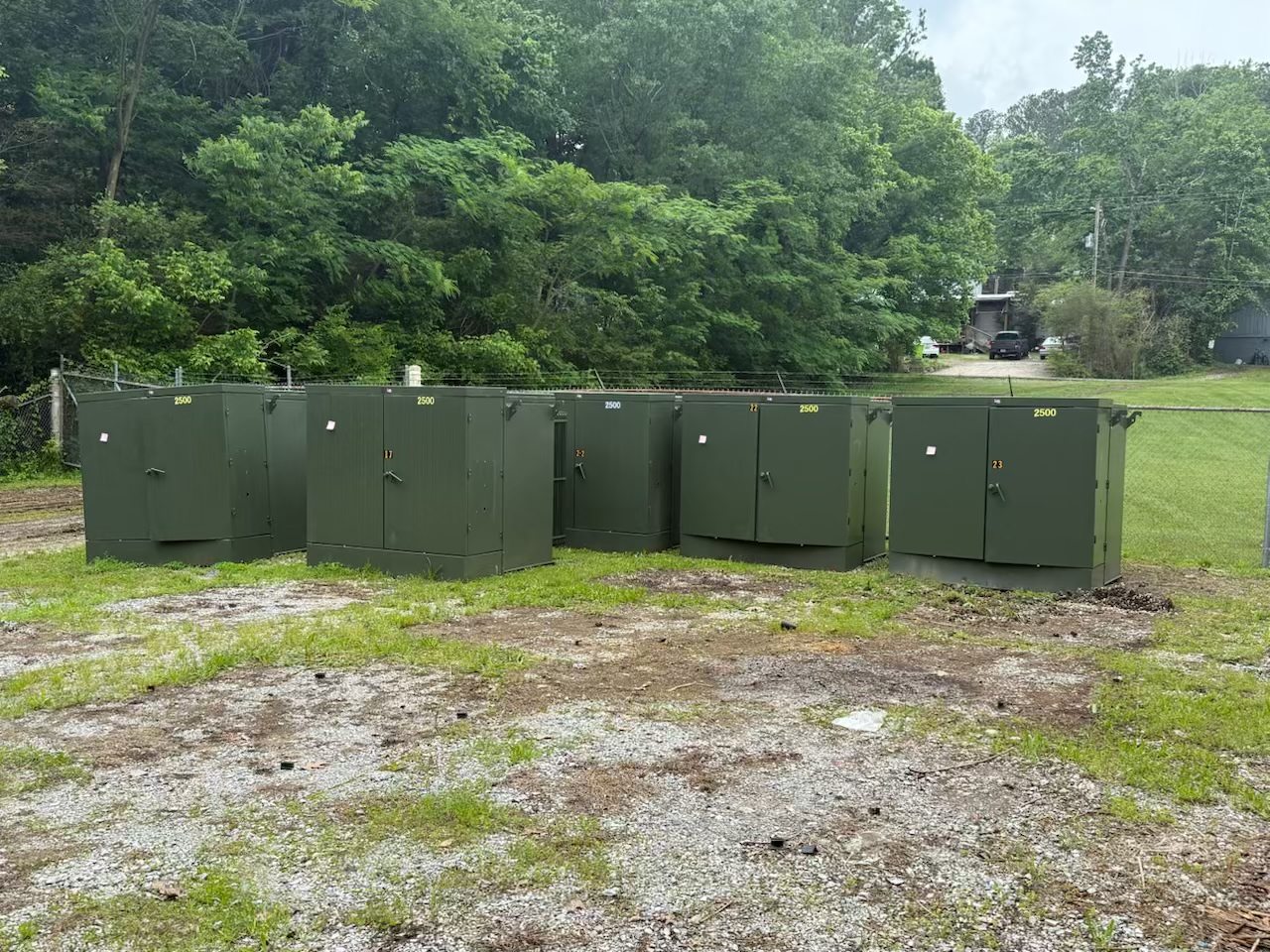
If transformers are stored at a shop or another rural-edge property, make a simple list so each unit can be matched to its photos and records. Use a consistent label for each item, such as “Unit 1,” and note its visible ratings, condition, and location on the property. Gather existing purchase, maintenance, fluid, or PCB documentation if available; do not create new samples or inspections for a sale. Existing records help describe what you are offering, but not every PCB-containing item is necessarily accepted.
Describe access before arranging collection
Tell the buyer where the transformer is located and explain any access constraints without moving the unit. If the approach is unpaved, say so and ask whether it remains suitable for the collection vehicle during wet or freezing weather. Share a photo of the transformer’s external lifting points and the surface beneath the unit. Keep people clear of the equipment and leave electrical isolation, hazardous-material handling, and rigging to qualified personnel.
Plan the sale and freight around the site
Before agreeing on a sale, send the identifying details, available records, and access information together so the buyer can understand what is being offered and how it is situated. Ask what collection arrangements are needed for your particular approach and site schedule; do not assume a vehicle can reach the unit in every condition. Payment is upfront, no testing is required, and freight is covered. These terms do not guarantee a price or that every transformer will be accepted.
Local context and collection
Site context: Smithfield is in northern Cache Valley, where a transformer might be stored at a shop or other rural-edge property.
Pickup consideration: Identify any unpaved approach and ask whether it remains suitable for the collection vehicle during wet or freezing weather.
Helpful details to share: Share a photo of the transformer's external lifting points and the surface beneath the unit.
Information that helps us review equipment
- Manufacturer, model or serial number, kVA and voltage if readable on the nameplate.
- Overall photographs and the quantity of units available, taken safely.
- The equipment location, any access restrictions, and the contact responsible for the site.
- Known condition, available fluid or PCB records, and any scheduling constraints.
Safety before collection
Do not drain oil, open enclosures, or approach energized equipment. Tell us about known leaks and available fluid or PCB records; qualified personnel should handle isolation, hazardous materials, and rigging.
Questions about selling your equipment
What should I send if I want to sell a transformer stored on a rural-edge property?
Send clear exterior photos, a nameplate photo, visible ratings, and any existing fluid or PCB records. Include where the unit sits, whether the approach is unpaved, and whether it remains suitable for the collection vehicle in wet or freezing weather. Do not open or test the equipment.
What should I do before collection if the transformer is difficult to access?
Describe the approach and site constraints, share a photo of the external lifting points and the surface beneath the unit, and ask about collection arrangements. Do not move, dismantle, drain, or rig the transformer yourself. Qualified personnel must handle electrical isolation, hazardous materials, and rigging; freight is covered.
Equipment in Smithfield
Sell this equipment in Smithfield
Pad-Mounted TransformersSell this equipment in Smithfield
Pole-Mounted Distribution TransformersSell this equipment in Smithfield
Dry-Type TransformersSell this equipment in Smithfield
Oil-Filled TransformersSell this equipment in Smithfield