Selling Dry-Type Transformers in Hurricane
Offer surplus dry-type transformers with enclosure, winding, and rating information.
For a sale in Hurricane, tell us where the equipment is and describe the pickup conditions. A nameplate photograph and existing records help us review the unit without asking you to test it.
Identify the transformer from its nameplate and enclosure
For a surplus dry-type transformer, the nameplate is the clearest starting point: share its kVA rating, primary and secondary voltages, phase count, and impedance if these are readable. Include photos of the complete nameplate and enclosure. Dry-type units use air or another dry insulating medium rather than a liquid-filled main tank, so accurate identification depends on the ratings and visible construction rather than liquid information. Do not open guards or disturb insulation to inspect the windings; a qualified professional should handle any required isolation and verification before the unit is disconnected or moved.
Describe condition without disturbing the unit
Report what can be seen from a safe position, including exterior dents, corrosion, damaged panels, blocked or damaged ventilation openings, and whether fans or temperature controls are present. Mention any existing maintenance records that help explain the unit’s history or configuration. A photo of the transformer and its immediate ground conditions can provide useful context without requiring you to inspect internal components. Do not remove guards, touch wiring, or attempt electrical tests. Qualified personnel handle de-energization and any work needed to prepare the transformer for movement.
Plan the pickup around the ground and lift point
Hurricane is east of St. George in southwest Utah, where some equipment sites may have open, unpaved yards. For the proposed lift point, describe the surface and any wind exposure so the loading method can be assessed; do not assume every site has the same access or ground conditions. Include the unit’s dimensions and note the available approach and loading access. Share a photo showing the transformer and nearby ground from a safe position, keeping clear of equipment and lift activity. Qualified personnel handle rigging and movement.
Provide a practical information package for a quote
Send the nameplate and enclosure photos together with the readable kVA, voltage, phase, and impedance details. Add fan and temperature-control information, visible exterior condition, dimensions, and a brief description of loading access. Existing maintenance records can help clarify configuration or history, but you do not need to perform tests to describe the unit. The buyer’s stated transaction terms are payment upfront, no testing, and freight covered. These terms do not mean every transformer is automatically accepted; provide enough accurate information for the equipment and pickup plan to be considered.
Hurricane site and pickup context
Site context: Hurricane lies east of St. George in southwest Utah, where some equipment sites may have open, unpaved yards.
Pickup consideration: Describe the surface and any wind exposure at the proposed lift point so the loading method can be assessed.
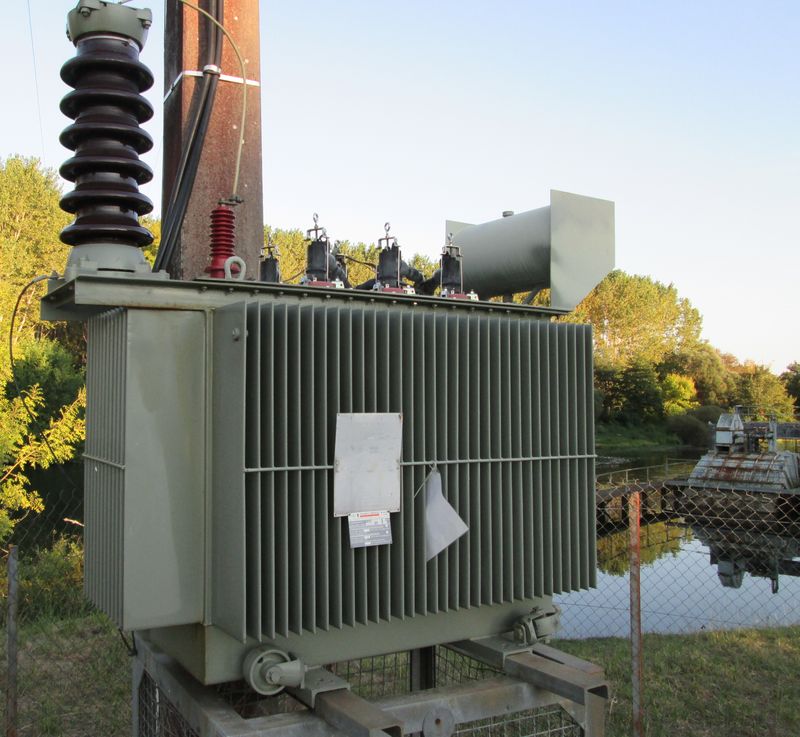
Helpful details to share: Share a photo of the transformer and its immediate ground conditions from a safe position.
Seller checklist
- Nameplate and enclosure photos
- kVA, voltages, and phase
- Fan or temperature-control details
- Visible corrosion or damage
- Dimensions and loading access
Work safely
Do not drain oil, open enclosures, or approach energized equipment. Tell us about known leaks and available fluid or PCB records; qualified personnel should handle isolation, hazardous materials, and rigging.
Questions about selling in Hurricane
Do I need to test a dry-type transformer before requesting a quote?
No testing is required. Share readable nameplate information, enclosure photos, visible condition, and any existing maintenance records. Do not remove guards, disturb insulation, or work on wiring to gather details. A qualified professional should isolate and verify the transformer before disconnection or movement.
What should I show in a pickup photo from a Hurricane site?
From a safe position, photograph the transformer and its immediate ground conditions. Describe the surface at the proposed lift point, any wind exposure, the unit’s dimensions, and available loading access. Some sites in the area may have open, unpaved yards, so these details help assess the loading method.
Related local resources
Local site and seller information
Dry-Type TransformersEquipment identification and seller checklist
Substation and Power TransformersSelling in Hurricane
Pad-Mounted TransformersSelling in Hurricane
Pole-Mounted Distribution TransformersSelling in Hurricane
Oil-Filled TransformersSelling in Hurricane