Selling equipment in Hurricane
If you have a transformer or surplus electrical equipment to sell in Hurricane, start with the nameplate and photos taken from a safe location. We buy from owners and review the equipment and pickup details before discussing a cash offer.
Selling transformers in Hurricane
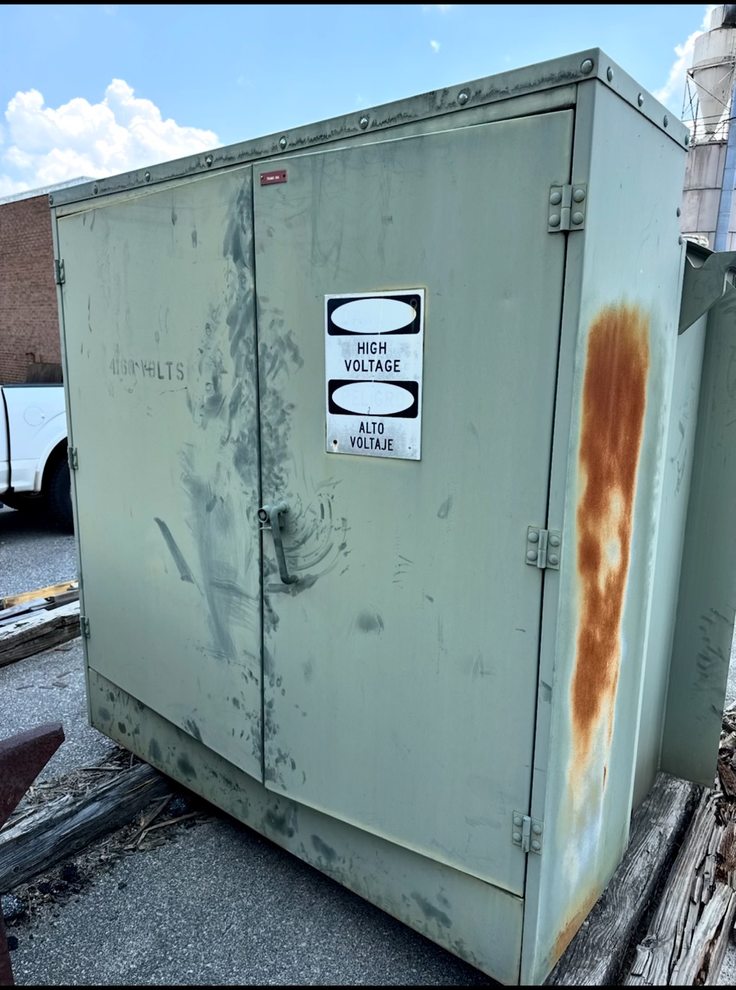
If you own a surplus or used transformer in Hurricane, share what you know so the buyer can assess whether it fits a purchase. Start with a safe-position photo of the transformer and its immediate ground conditions. If visible without approaching hazards, note the nameplate information: manufacturer, model, kVA rating, voltage, phase, and approximate weight. Do not open, energize, test, drain, sample, or dismantle the unit. A buyer’s purchase is not guaranteed, and the available information helps establish the next steps.
Organize equipment and records
For several transformers, make a simple inventory with one identifier per unit, its location on the property, visible ratings, and condition as observed from a safe position. Gather existing nameplate photos, purchase or maintenance records, and any fluid or PCB documentation; do not create new samples or disturb equipment to fill gaps. Keep records paired with the right unit, and flag unknown details rather than guessing. Existing documentation is useful, but it does not mean every PCB-containing transformer will be accepted.
Describe the lift point safely
If the transformer is at a site with an open or unpaved yard, describe the ground at the proposed lift point without walking onto unstable or restricted areas. Tell the buyer whether the surface appears paved, gravel, soil, or uneven, and mention visible slopes, soft spots, overhead obstructions, or limited approach space. Also describe any wind exposure at the lift point, since surface conditions and wind help assess a loading method. Do not move equipment or arrange rigging yourself.
Plan the sale and freight
Before setting a sale plan, share the equipment details, available records, safe-position photos, and any access or scheduling constraints at the site. If the property is in Hurricane or elsewhere in the stated area near Leeds, Washington, or La Verkin, provide the location details needed to discuss the proposed pickup. Payment is upfront, no testing is required, and freight is covered. Those terms do not guarantee a purchase or price; qualified personnel handle electrical isolation, hazardous materials, and rigging.
Local context and collection
Site context: Hurricane lies east of St. George in southwest Utah, where some equipment sites may have open, unpaved yards.
Pickup consideration: Describe the surface and any wind exposure at the proposed lift point so the loading method can be assessed.
Helpful details to share: Share a photo of the transformer and its immediate ground conditions from a safe position.
Information that helps us review equipment
- Manufacturer, model or serial number, kVA and voltage if readable on the nameplate.
- Overall photographs and the quantity of units available, taken safely.
- The equipment location, any access restrictions, and the contact responsible for the site.
- Known condition, available fluid or PCB records, and any scheduling constraints.
Safety before collection
Do not drain oil, open enclosures, or approach energized equipment. Tell us about known leaks and available fluid or PCB records; qualified personnel should handle isolation, hazardous materials, and rigging.
Questions about selling your equipment
What should I include in a photo of a Hurricane transformer?
From a safe position, photograph the transformer and its immediate ground conditions. If the nameplate is visible without approaching hazards, include a separate clear image of it. Do not climb, open panels, touch the unit, or enter restricted areas to get a better view.
What site details help assess loading at an unpaved yard?
Describe the surface and any slope, soft ground, or access limitation at the proposed lift point, along with wind exposure there. Share what you can observe safely and note uncertainties. Qualified personnel assess electrical isolation, hazardous materials, and rigging; do not prepare the unit yourself.