Selling Oil-Filled Transformers in Hurricane
Offer surplus oil-filled transformers with fluid records and the tank's known condition.
For a sale in Hurricane, tell us where the equipment is and describe the pickup conditions. A nameplate photograph and existing records help us review the unit without asking you to test it.
Describe the transformer and its fluid history
When offering an oil-filled transformer, share the nameplate details and any records already available for its insulating fluid. The label may identify the original fluid and stated quantity, but it does not establish the fluid’s present composition. Existing PCB laboratory reports, fluid maintenance records, and sample dates can help assess handling requirements without asking you to arrange a new test. Include the tank’s known condition, such as visible leaks, damaged bushings, or missing valves. Do not drain, sample, or transfer oil; qualified personnel handle fluid and any suspect material.
Show the unit and its immediate surroundings
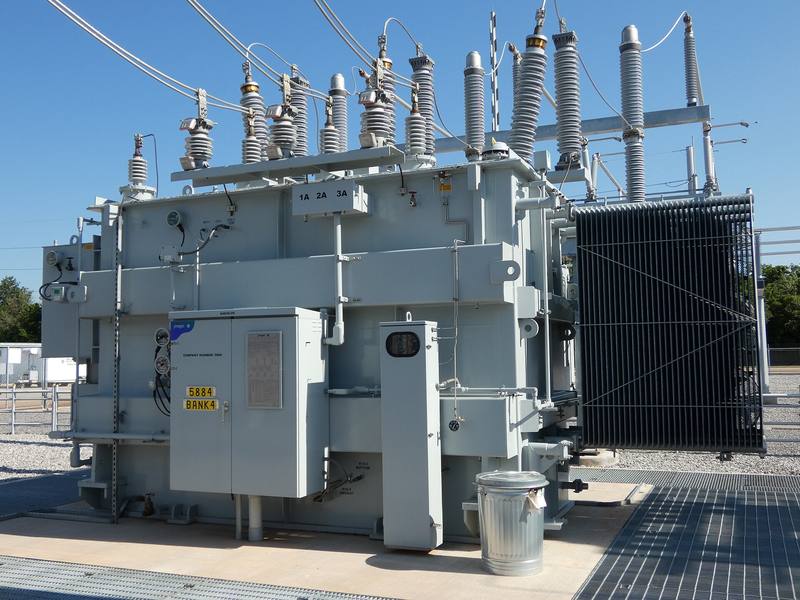
Send clear photos of the transformer, its nameplate, and the ground immediately around it, taken from a safe position. In Hurricane and the wider southwest Utah area, some sites may have open, unpaved yards; that is a possible site condition, not something to assume about your property. Describe the surface at the proposed lift point and any wind exposure there. These details help assess a suitable loading method alongside the unit’s location and access. Do not enter restricted areas or approach the transformer to get a closer image.
Share condition, weight, and access details
A useful initial description includes the transformer’s known loaded weight, the access route to its location, and any visible tank damage or leakage. If the weight is not known, say so rather than estimating. Mention nearby obstacles or constraints that could affect movement to the loading point. Condition, location, access, fluid information, and records all help shape the proposed handling and quote. Avoid opening compartments, touching valves, or attempting to confirm a leak yourself; qualified personnel handle isolation, de-energization, hazardous materials, and rigging.
Provide records without handling the oil
Gather existing PCB reports and fluid maintenance documents, noting the dates of any samples recorded in them. A quote can consider available fluid and PCB records without requiring you to test the oil. PCB status and site conditions affect safety, regulatory requirements, and whether a particular unit can be accepted; PCB-containing equipment is not automatically accepted. You can share what is documented and clearly identify anything unknown. The buyer’s stated transaction terms are payment upfront, no testing, and freight covered; those terms do not guarantee a price or acceptance.
Hurricane site and pickup context
Site context: Hurricane lies east of St. George in southwest Utah, where some equipment sites may have open, unpaved yards.
Pickup consideration: Describe the surface and any wind exposure at the proposed lift point so the loading method can be assessed.
Helpful details to share: Share a photo of the transformer and its immediate ground conditions from a safe position.
Seller checklist
- Tank and nameplate photos
- Fluid type and quantity if known
- Existing PCB test reports
- Visible leaks or tank damage
- Loaded weight and access
Work safely
Do not drain oil, open enclosures, or approach energized equipment. Tell us about known leaks and available fluid or PCB records; qualified personnel should handle isolation, hazardous materials, and rigging.
Questions about selling in Hurricane
Does the transformer’s nameplate confirm its current PCB status?
No. A nameplate may identify the original insulating fluid and its quantity, but the label alone cannot confirm the fluid’s present composition. Share existing laboratory reports, maintenance records, and sample dates if available. A quote can consider those records without requiring you to arrange testing.
What should I send if the transformer is in an open yard?
From a safe position, send a transformer and nameplate photo plus a view of the immediate ground conditions. Describe the surface at the proposed lift point, any wind exposure, the unit’s location, and access. These details help assess loading needs; qualified personnel handle rigging and any required isolation or de-energization.
Related local resources
Local site and seller information
Oil-Filled TransformersEquipment identification and seller checklist
Substation and Power TransformersSelling in Hurricane
Pad-Mounted TransformersSelling in Hurricane
Pole-Mounted Distribution TransformersSelling in Hurricane
Dry-Type TransformersSelling in Hurricane