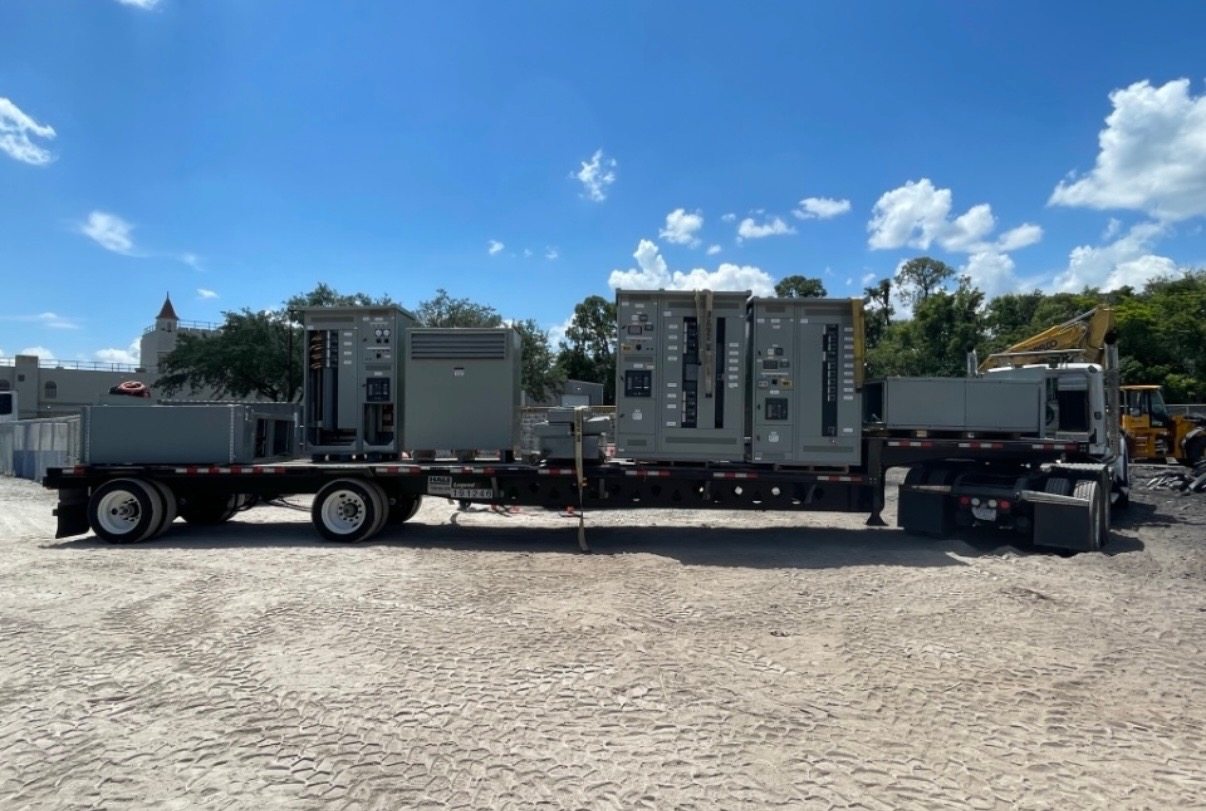
Selling Dry-Type Transformers in Sandy
Offer surplus dry-type transformers with enclosure, winding, and rating information.
For a sale in Sandy, tell us where the equipment is and describe the pickup conditions. A nameplate photograph and existing records help us review the unit without asking you to test it.
Identify the transformer from its ratings
Dry-type transformers use air or another dry insulating medium rather than a liquid-filled main tank. Send a clear nameplate image that shows both primary and secondary voltage ratings, along with the listed kVA, phase count, and impedance if visible. These details help distinguish units that may look similar but serve different electrical configurations. Include enclosure and overall-unit photos so the equipment can be described without opening it or disturbing its insulation.
Describe completeness and condition from the outside
Note the enclosure type and whether ventilation openings, fans, or temperature controls are present. Share visible corrosion, dents, or other exterior damage, plus any maintenance records already available. Do not remove guards or inspect the windings yourself; a qualified professional should handle isolation and verify the transformer before disconnection or movement. Existing photos and records can help explain the unit’s condition without asking you to conduct electrical testing.
Plan collection around the approach
For a Sandy pickup, describe the equipment-room route and loading access, including dimensions and any tight turns or thresholds that affect moving the transformer. Sandy lies along the eastern Salt Lake Valley, where an equipment room may be accessed from a sloping property. Note the driveway slope and whether a loaded truck can approach the service door without grounding out. Qualified personnel handle rigging and any required electrical isolation; provide access details so collection can be planned safely.
Prepare a concise equipment record
Gather the nameplate and enclosure photos, kVA and voltage information, phase, fan or temperature-control details, visible condition notes, dimensions, and any existing maintenance records. If a rating is unreadable, say so rather than guessing. Keep the unit closed and leave guards and internal components undisturbed. This concise record gives the buyer useful identification and logistics information while separating what you can observe from work that belongs to qualified electrical or rigging personnel.
Sandy site and pickup context
Site context: Sandy lies along the eastern Salt Lake Valley, where an equipment room may be accessed from a sloping property.
Pickup consideration: Note the driveway slope and whether a loaded truck can approach the service door without grounding out.
Helpful details to share: Send a nameplate image showing both primary and secondary voltage ratings.
Seller checklist
- Nameplate and enclosure photos
- kVA, voltages, and phase
- Fan or temperature-control details
- Visible corrosion or damage
- Dimensions and loading access
Work safely
Do not drain oil, open enclosures, or approach energized equipment. Tell us about known leaks and available fluid or PCB records; qualified personnel should handle isolation, hazardous materials, and rigging.
Questions about selling in Sandy
Which nameplate details should I send?
Send an image that clearly shows both primary and secondary voltage ratings. If legible, include the kVA rating, phase count, and impedance as well. Add enclosure photos and note any rating that cannot be read; do not remove covers or guards to find missing information.
What should I report about a sloped driveway?
Describe the slope, the route to the service door, and whether a loaded truck can approach without grounding out. Include dimensions or access constraints that could affect moving the transformer. Do not attempt to move or disconnect it yourself; qualified personnel handle isolation and rigging.