Selling Oil-Filled Transformers in Sandy
Offer surplus oil-filled transformers with fluid records and the tank's known condition.
For a sale in Sandy, tell us where the equipment is and describe the pickup conditions. A nameplate photograph and existing records help us review the unit without asking you to test it.
Identify the transformer and its electrical ratings
When describing a surplus oil-filled transformer, send a clear nameplate image that shows both primary and secondary voltage ratings. Include the manufacturer, model, serial number, and kVA rating if visible, but do not guess at missing or unreadable details. The nameplate may state the original insulating-fluid type and quantity; it does not establish the fluid’s present composition. Pair the image with any records you already have so the equipment can be assessed from its documented identity rather than assumptions.
Share fluid records without handling the oil
Existing PCB laboratory reports, fluid maintenance records, and sample dates can help determine applicable handling requirements. You do not need to arrange new testing to request a quote, and you should not drain, sample, or transfer oil yourself. If records are unavailable, say so plainly. PCB status affects safety, regulatory requirements, and whether the transformer can be accepted; PCB-containing equipment is not automatically acceptable. Qualified personnel handle isolation, de-energization, hazardous materials, and any necessary rigging.
Describe condition and plan the Sandy pickup approach
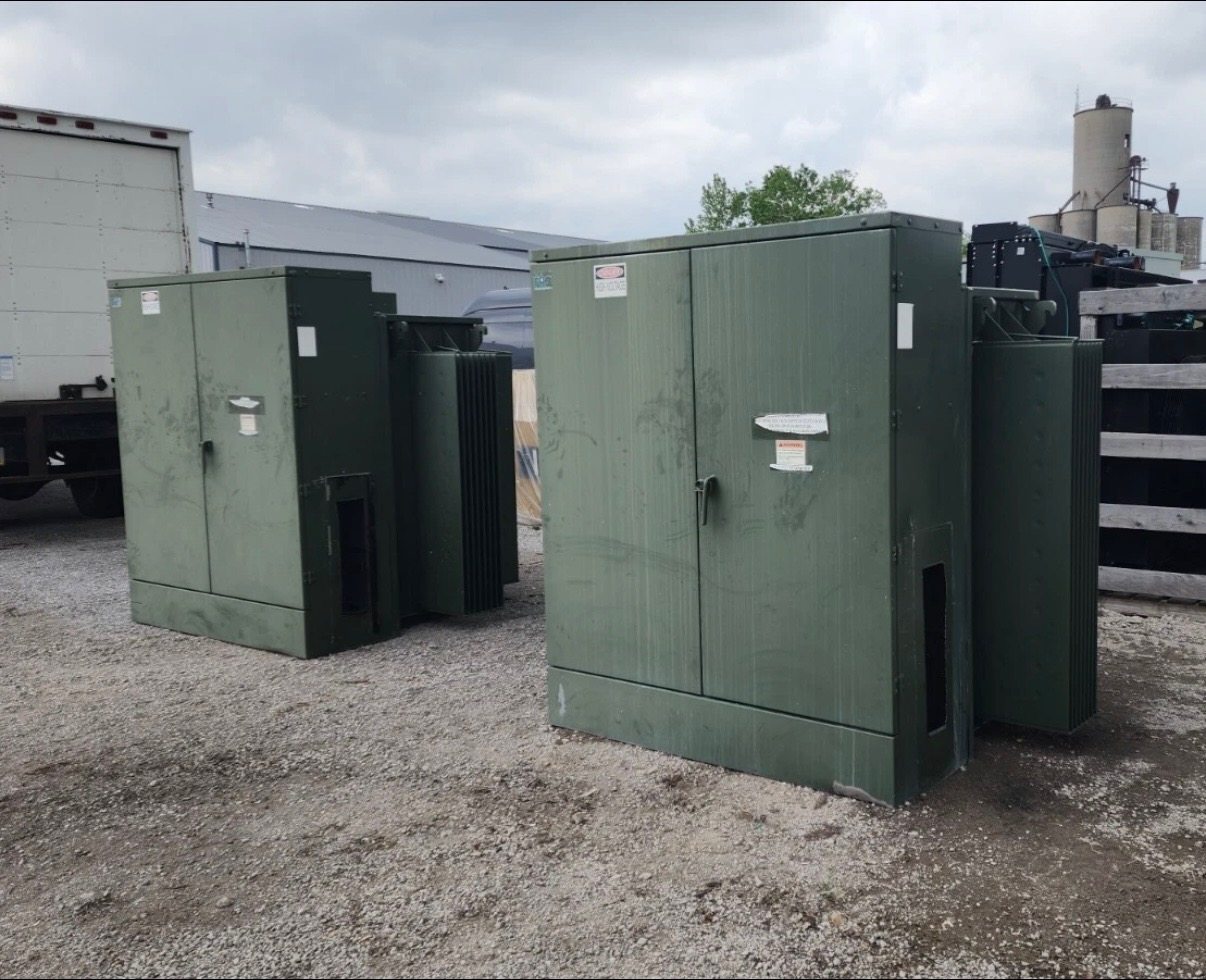
Photograph the tank, bushings, valves, and any visible damage or leakage from a safe, accessible position. Note missing valves, damaged bushings, or a known leak rather than trying to repair or open the unit. For a possible Sandy pickup, describe where the transformer sits and how it can be reached. Sandy is along the eastern Salt Lake Valley, where an equipment room may be accessed from a sloping property; state the driveway slope and whether a loaded truck can approach the service door without grounding out. Access details can affect handling and the quote.
Prepare a useful equipment summary
A concise submission can include tank and nameplate photos, fluid type and quantity if known, existing PCB reports, visible leaks or tank damage, loaded weight, and access information. Distinguish recorded facts from estimates—for example, label information from a laboratory result, or an estimated weight from a documented one. Mention whether the transformer is indoors or outdoors and identify its location on the property. Do not enter locked compartments or approach energized equipment to gather details; qualified personnel handle isolation and de-energization.
Sandy site and pickup context
Site context: Sandy lies along the eastern Salt Lake Valley, where an equipment room may be accessed from a sloping property.
Pickup consideration: Note the driveway slope and whether a loaded truck can approach the service door without grounding out.
Helpful details to share: Send a nameplate image showing both primary and secondary voltage ratings.
Seller checklist
- Tank and nameplate photos
- Fluid type and quantity if known
- Existing PCB test reports
- Visible leaks or tank damage
- Loaded weight and access
Work safely
Do not drain oil, open enclosures, or approach energized equipment. Tell us about known leaks and available fluid or PCB records; qualified personnel should handle isolation, hazardous materials, and rigging.
Questions about selling in Sandy
Do I need to test the transformer’s oil before asking for a quote?
No. Send existing PCB reports, maintenance records, and sample dates if available, but do not collect a sample or drain the oil. A quote can consider the records you have without requiring you to test. The nameplate may identify the original fluid, but it cannot confirm the fluid’s present composition.
What should I report about access at a Sandy property?
Describe the transformer’s location, the route to it, driveway slope, and whether a loaded truck can approach the service door without grounding out. Include known weight if available. Do not move or rig the unit to improve access; qualified personnel handle rigging, and site conditions can affect the proposed handling and quote.