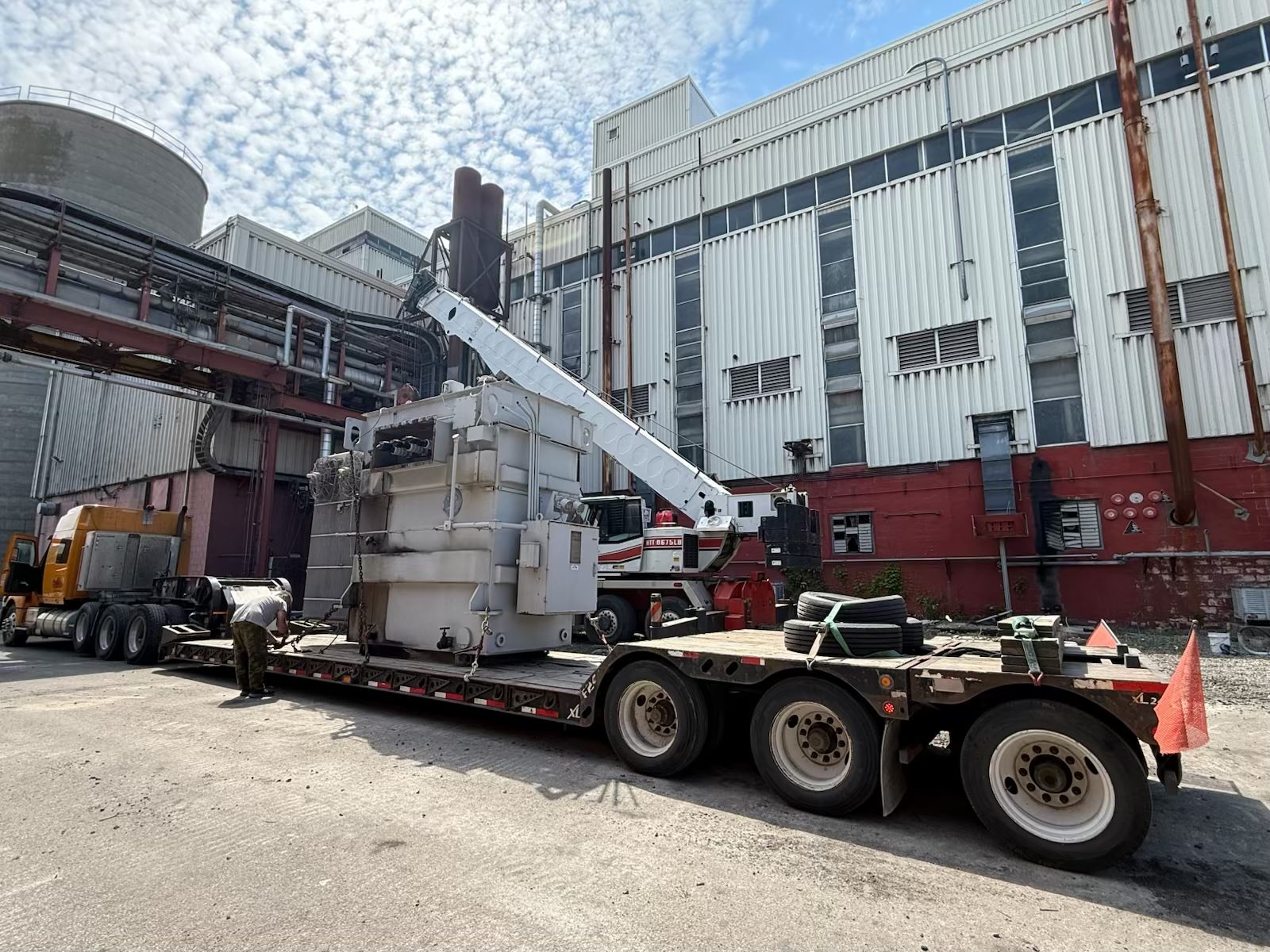
Selling Substation and Power Transformers in Sandy
Sell surplus substation and power transformers with their ratings, condition, and removal constraints clearly documented.
For a sale in Sandy, tell us where the equipment is and describe the pickup conditions. A nameplate photograph and existing records help us review the unit without asking you to test it.
Describe the transformer’s capacity clearly
For a substation or power transformer, begin with the nameplate: capture the MVA or kVA rating, primary and secondary voltages, phase count, and frequency. Send a nameplate image that clearly shows both voltage ratings, along with the serial number if readable. Cooling designations matter too; record any fan-cooled rating separately from the base rating. These details help distinguish units that may look similar but have different capacity or cooling arrangements. Do not energize the transformer to obtain information; use existing records and safely accessible nameplate details.
Document condition and fluid records
Describe what is present and what is known, rather than attempting to investigate the transformer yourself. Note visible leak history and the apparent condition of bushings, radiators, fans, and control cabinets; identify missing or damaged components if already known. Share existing oil and PCB records when available, including records that state the material status is unknown. A quote can consider those records without requiring you to test the oil. Do not drain fluid, collect samples, or disturb suspect materials; qualified personnel handle hazardous materials and any required isolation or de-energization.
Plan the removal route at the property
In Sandy, an equipment room may be reached from a sloping property, so describe the route from the transformer to the service door and the approach from the driveway. Note the driveway slope and whether a loaded truck can reach the service door without grounding out. Also provide the transformer’s total weight if documented, clearance constraints, and any known crane-access limitations. Include radiators, bushings, and attached control cabinets in the removal description because their size and position can affect the space needed. Qualified personnel handle rigging; do not attempt to move or dismantle the unit.
Make the transaction easier to assess
Send a concise information package with nameplate and serial-number photos, capacity and cooling ratings, available oil and PCB records, known condition details, weight, and access restrictions. Mention whether the unit is complete, especially its bushings, radiators, and control cabinets, and flag anything uncertain rather than guessing. This gives the buyer a practical basis to assess the equipment and removal constraints before arranging next steps. Payment is upfront, testing is not required, and freight is covered. These terms do not establish a guaranteed price, schedule, or unconditional acceptance.
Sandy site and pickup context
Site context: Sandy lies along the eastern Salt Lake Valley, where an equipment room may be accessed from a sloping property.
Pickup consideration: Note the driveway slope and whether a loaded truck can approach the service door without grounding out.
Helpful details to share: Send a nameplate image showing both primary and secondary voltage ratings.
Seller checklist
- Nameplate and serial number photos
- MVA, voltage, and cooling ratings
- Oil and PCB records if available
- Bushing and radiator condition
- Weight and crane access
Work safely
Do not drain oil, open enclosures, or approach energized equipment. Tell us about known leaks and available fluid or PCB records; qualified personnel should handle isolation, hazardous materials, and rigging.
Questions about selling in Sandy
What should the nameplate photo show?
Send a clear image showing the primary and secondary voltage ratings, and include the MVA or kVA rating, phase count, frequency, cooling designation, and serial number if visible. If one image cannot capture all fields legibly, provide additional close-ups. Do not access a locked compartment or approach energized equipment to get the photo.
What if I have no oil or PCB records?
Say that the records are unavailable or the material status is unknown, and provide any existing documents you do have. You are not required to test, drain, or sample the oil. Qualified personnel handle hazardous materials and isolation; missing records can affect handling and the quote, but do not by themselves determine acceptance.